 Johannesburg Travel Guide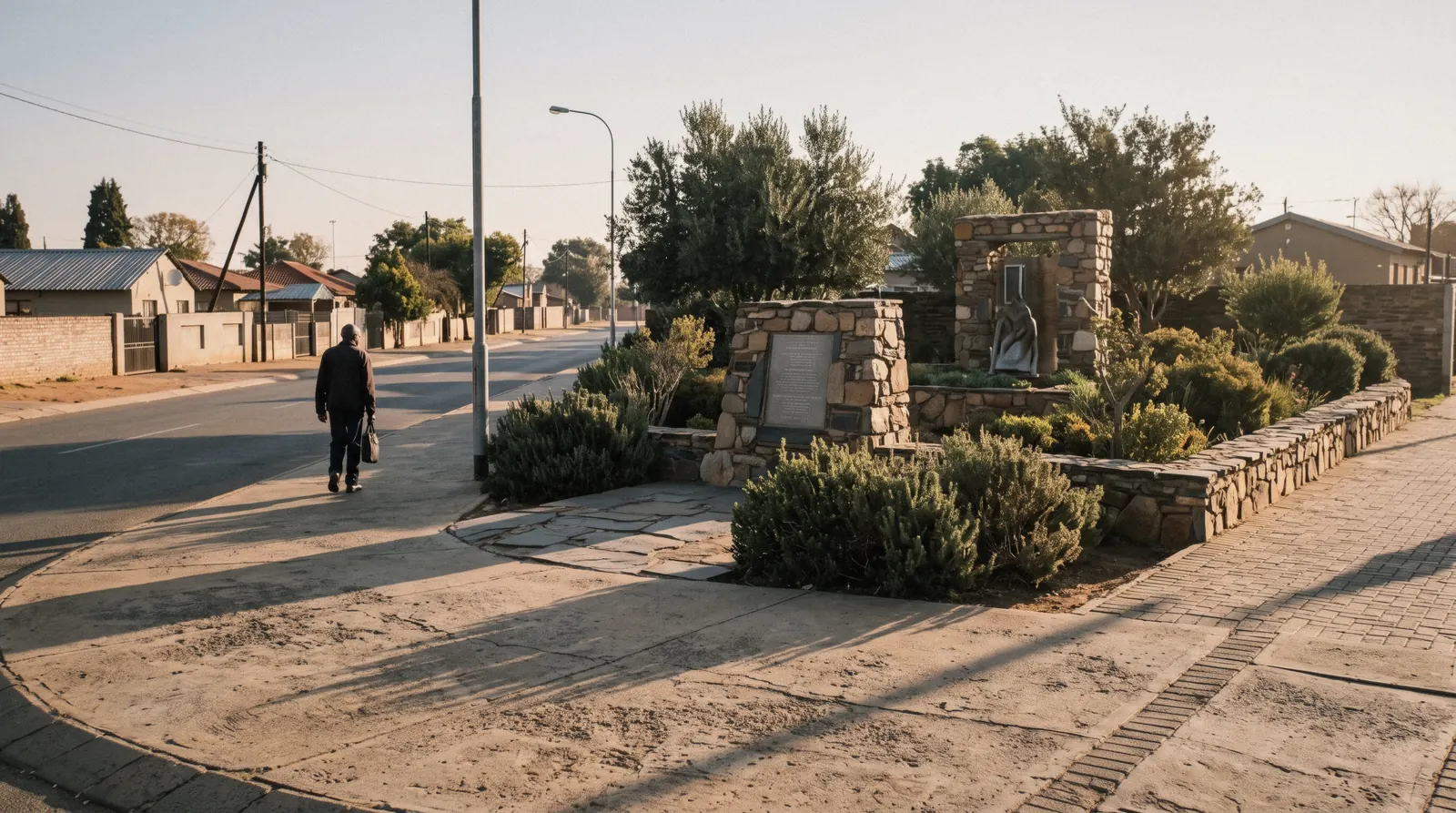
Hector pieterson museum is what this page owns: the prices, the hours and the booking order, checked against official sources. The Hector Pieterson Memorial and Museum is the city-run museum about 16 June 1976 — the day a Soweto schoolboy was shot and a photograph of him being carried made the uprising world news. It stands on Khumalo Street in Orlando West, two blocks from the corner where Hector fell. There is no dedicated museum website; the City of Johannesburg's own page is the official source for everything, and that page lists fees for the elderly, teenagers, students and children — and no adult rate at all. This page prints that finding plainly, tells the history as fact, and maps the visit against Mandela House and the rest of the Soweto day; the city shortlist sits at things to do in Johannesburg. The full routing sits on the Johannesburg travel guide homepage.
Quick answer The unpublished adult price, the history in one line, how long, in three lines
The Hector Pieterson Memorial and Museum honours the 12-year-old schoolboy whose death on 16 June 1976 turned the Soweto uprising into world news. The City of Johannesburg's tariff page publishes $1.84 (R30) elderly, $0.61 (R10) teenagers, $0.61 (R10) students and $0.31 (R5) children — and no adult rate at all. Hours are not published either.
Key takeaways
- The museum sits two blocks from where Hector was shot; Mandela House is a five-minute walk the other way, so the pair fits one morning
- If it is your first Soweto visit, the half-day tour with a local guide includes the memorial stop and removes the driving question entirely
- The story behind the date has its own page: 16 June 1976, the Soweto uprising, and the wider day is sequenced in the Soweto guide
Key facts
Opening hours
| On the official page | no hours published — phone 011 536 0611/12 before you set off |
|---|
Closed Not stated — the city publishes no closed-days list; phone ahead
Admission
- Adult
- Not published — the City of Johannesburg tariff page lists no adult rate; that gap is the finding, not an omission by this guide
- Reduced
- Elderly $1.84 (R30); teenagers $0.61 (R10); students $0.61 (R10)
- Free
- Children $0.31 (R5) — the lowest published rate; no other free category is published
Planning it
- Time needed
- Not stated; our routing is about an hour for the galleries plus the memorial outside
- Address
- 8287 Khumalo Street, Orlando West, Soweto, 1804
City tariffs, and the missing adult price
Every figure below comes from the City of Johannesburg's own tariff page for the museum — the only official price source, since no dedicated museum site exists — converted at $1 = R16.30. The rand amounts are the official ones.
Are you paying the city's gate rate on your own timetable, or putting the story in a local guide's hands?
| Visitor | City tariff | What the city publishes | Notes | Book |
|---|---|---|---|---|
| AdultsEvery reader who isn't in a listed category — this gap is the page's honest headline | — | No adult rate appears anywhere on the tariff page | Ask at the desk; carry a card and small notes | Official site |
| ElderlyOlder visitors — the ceiling of the published grid | $1.84 (R30) | The top published rate | The most an adult-adjacent visitor is officially quoted | Official site |
| TeenagersVisitors in their teens | $0.61 (R10) | Listed rate | School groups are the museum's core audience | Official site |
| StudentsStudent card holders of any age | $0.61 (R10) | Listed rate | Bring the student card | Official site |
| ChildrenFamilies — the entry cost for children is effectively token | $0.31 (R5) | The lowest published rate | The memorial stone outside is a public square | Official site |
| Half-day Soweto tour with a local guideFirst-time visitors who want the memorial framed by someone who lives there | $120 as listed | Vilakazi Street, the Hector Pieterson Memorial and the Orlando Towers, hotel pickup included, 4 hours | Free cancellation up to 24 hours before | Check Availability |
One seller publishes prices here — the city — and it publishes four rates and a gap. Nothing on the tariff page or anywhere official states what an adult pays, so no page should invent it; the working assumption is that the desk quotes walk-up adults on the day, which is why the phone number above matters. Tariff page read in Q3 2026.
The guided way in
Two cards cover the memorial honestly: the half-day that names the stop, and the walking tour that covers the same streets at ground level. For the full day-trip arithmetic — shared vs private, half vs full day — the Soweto guide compares them all.
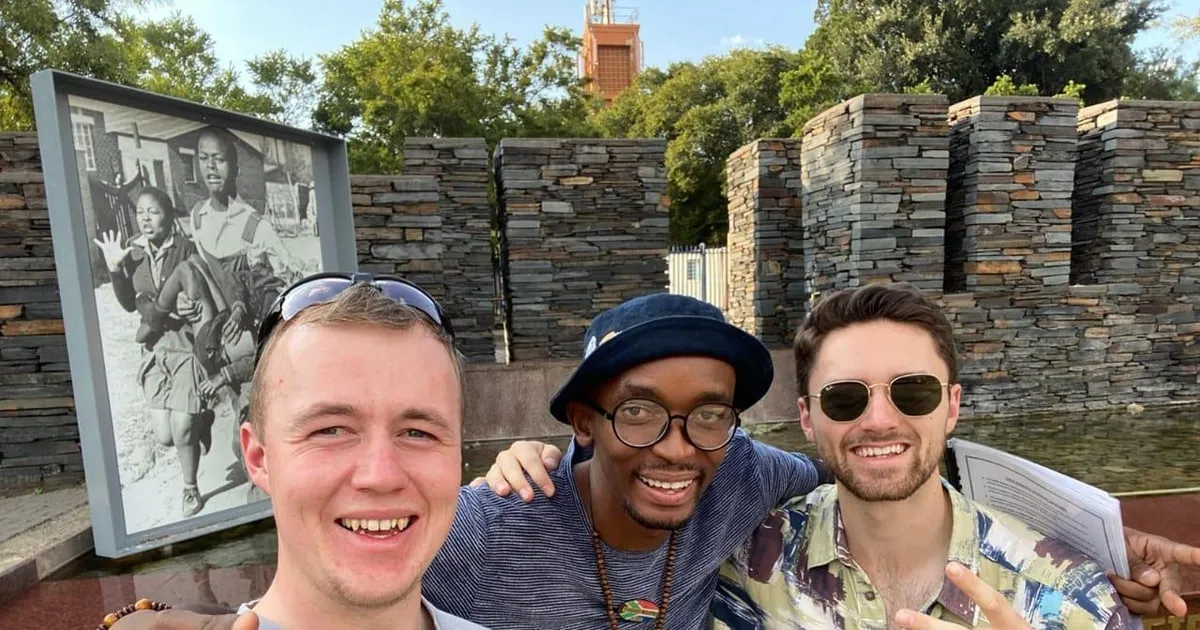 from $120
Johannesburg: Half-Day Soweto Tour with a Local Guide
Half day with a guide who lives there: Vilakazi Street, the Hector Pieterson Memorial and the Orlando Towers up close.
Check Availability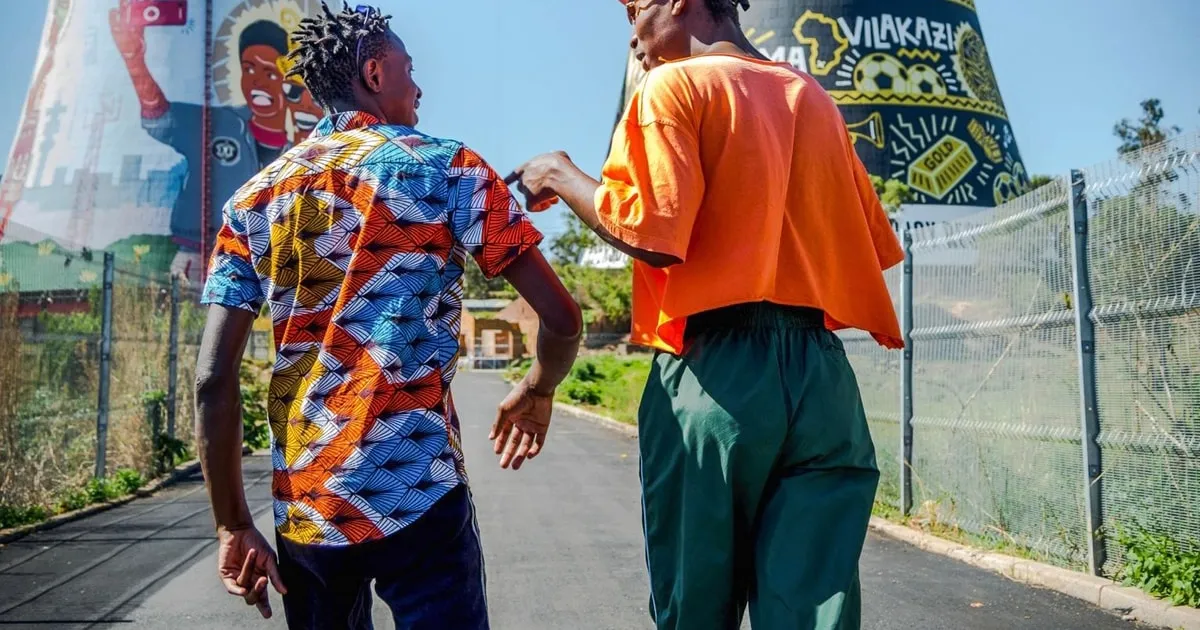 from $43
Soweto: Walking Tour with a Local Guide and Lunch
Walk Soweto's streets with a local resident, eat where the neighbourhood eats; the most honest two hours you can buy there.
Check AvailabilityPrices, ratings and details are the platform's own. dollar figures are the listed prices — the platform bills in your account's currency.
What happened on 16 June 1976
The museum exists because of one morning. The facts below are the city's own account plus the historical record — set out plainly, because the story needs no embellishment.
The march against Afrikaans
By 10:30 am on 16 June 1976, thousands of students had gathered in Orlando West around Vilakazi Street to begin a protest march against the imposition of Afrikaans as the medium of instruction in Soweto schools — the city's own history page records the gathering and the cause. The students were school pupils; the route ran through the same blocks you will walk. More than 170 protesting schoolchildren were killed in the uprising and its aftermath, a toll the museum exists to record.
Hector Pieterson, aged 12
Hector Pieterson was a 12-year-old schoolboy, shot and killed that morning; he fell on the corner of Moema and Vilakazi Streets, two blocks from the museum that now carries his name. Journalist Sophie Tema drove him to a nearby clinic, where he was pronounced dead. The photograph described in the section after this one made him the human face of the day.
The photograph, the boy who carried him, the sister who ran beside
One image carried the morning to the world, and the museum holds its story — including the parts that were never resolved.
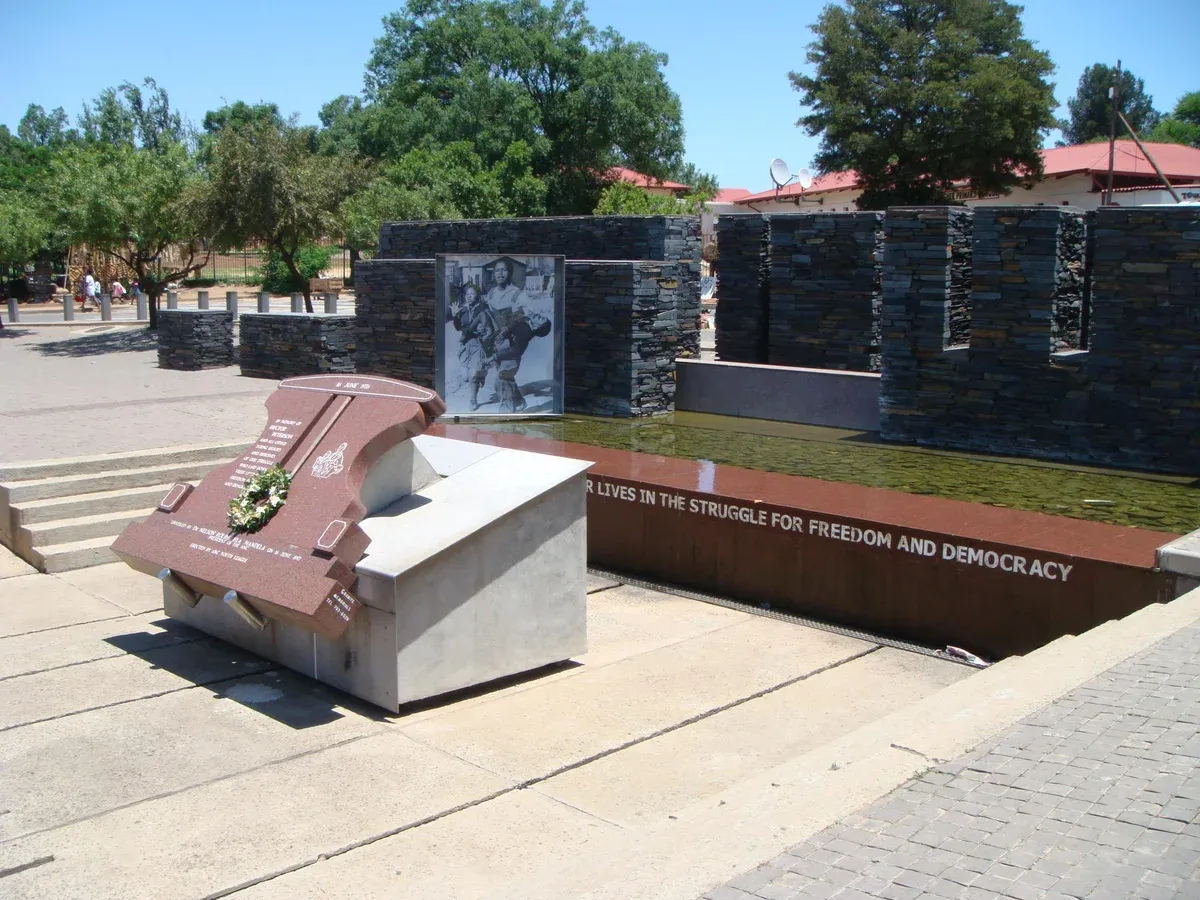
The memorial stone in its square near the museum. Photo: Jorge Láscar from Australia, CC BY 2.0, via Wikimedia Commons
Sam Nzima's frame
Photographer Sam Nzima captured the moment Mbuyisa Makhubu carried the dying Hector, with his sister Antoinette Sithole — then 17 — running alongside. Published around the world, the picture made the uprising international news within days, and it is the most famous object in the museum's collection, which holds films, newspapers, personal accounts and photographs. The memorial square and the galleries both orbit that single frame.
What happened to the man who carried him
Mbuyisa Makhubu and Sam Nzima were both harassed by the police after the photograph was published, and both went into hiding. Mbuyisa's mother told the Truth and Reconciliation Commission she had received a letter from him in 1978, posted from Nigeria — and has not heard from him since. His ultimate fate is not stated in any record the museum or the historical sources print.
It is the question most visitors carry out of the building, and the honest answer is that nobody has one.
Antoinette Sithole stayed close
Hector's sister Antoinette Sithole, the running figure in the photograph, lived the history the museum records; by 2010 she was working there herself as a guide. If you take a guided route through Soweto, the human continuity is part of what you are paying for — the neighbourhood's own people interpret it, which is also the strongest argument for the local-guide half-day over a self-guided stop.
The museum: opened in 2002 on the uprising's 26th anniversary
The memorial came first, the museum followed; both sit within sight of the corner where Hector fell, and both were built with public money specifically to keep the day's record.
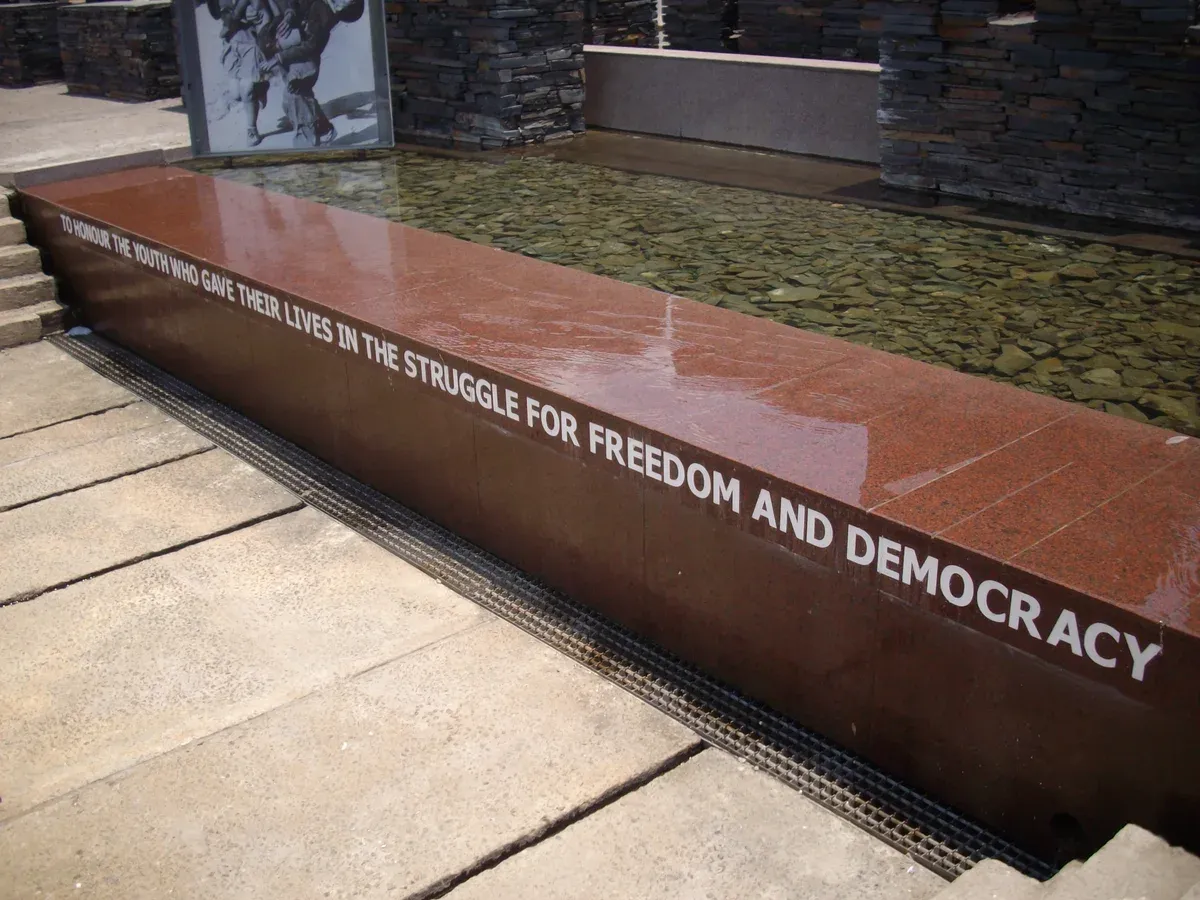
In the museum grounds: the fountain that forms part of the memorial complex. Photo: Thomas.macmillan, CC BY 3.0, via Wikimedia Commons
One of Soweto's first museums
The museum opened on 16 June 2002 — the uprising's twenty-sixth anniversary — and was one of the first museums in Soweto. The R23.2 million project was funded by a R16 million donation from the Department of Environmental Affairs and Tourism and R7.2 million from the Johannesburg City Council. Inside, the galleries trace the build-up to the youth rebellion, the day itself and its aftermath through films, newspapers, personal accounts and photographs.
Give the route about an hour, and let the heavier rooms take the time they take.
Memorial and museum are two things on one site
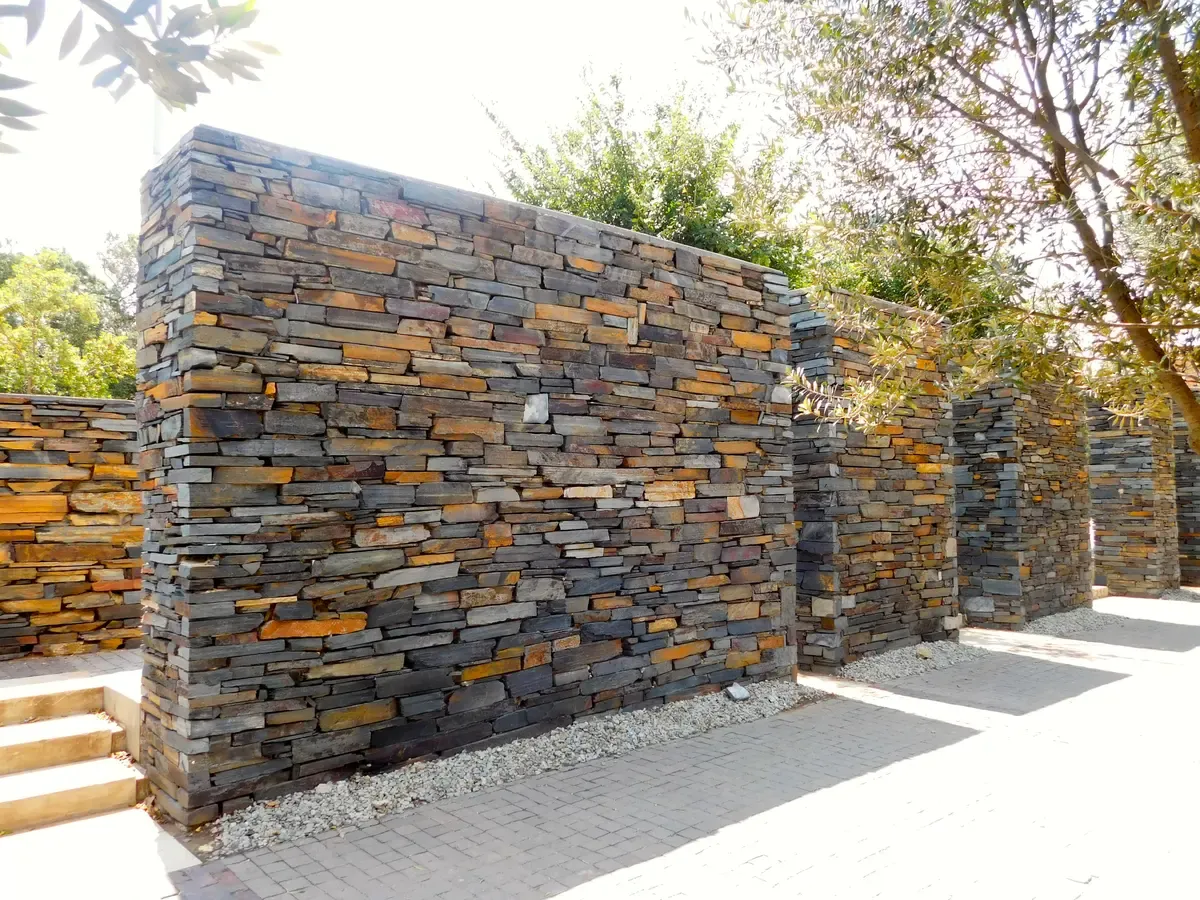
The memorial stone in its paved square and the museum building are separate elements of the same complex — the square is public and open, the museum is the ticketed part. Visit the stone first: it stands on the approach along Vilakazi Street's northern end, and it anchors the geography of the day better than any floor plan. Then the galleries explain what the stone only names.
How much time to give the Hector Pieterson Museum
The galleries are compact; the variable is whether the visit stands alone or anchors a Soweto morning. Three routings below, with the practical differences spelled out.
Three ways to put it in a day
The honest time budget is an hour inside plus the memorial outside. What changes between the routings is transport and context — and in Orlando West, transport decisions are the visit.
| Routing | What you get | What it skips | Door to door |
|---|---|---|---|
| The paired morning | The memorial and galleries, then Mandela House and Vilakazi Street on foot — the two museums five walking minutes apart | The rest of Soweto beyond Orlando West | About 2½–3 hours including getting to Soweto |
| The guided half-day | The $120 half-day with a local guide: the memorial, Vilakazi Street and the towers, hotel pickup, four hours | Slow looking — the galleries get a scheduled stop, not an open end | A half day, hotel door to hotel door |
| The tight stop | The stone in the square and the core galleries at the $0.61 (R10)–$1.84 (R30) published rates | The upstairs temporary material and anything beyond Orlando West | 45–60 minutes on site |
Getting to Khumalo Street, and when to go
The museum's address is 8287 Khumalo Street, Orlando West, and the phones are 011 536 0611/12 — those numbers matter more than usual, because the city publishes no hours.
The museum entrance on Khumalo Street. Photo: Adamina, CC BY 2.0, via Wikimedia Commons
By car, by tour, by phone
Orlando West is 30–40 minutes from Sandton by car in normal traffic. If you are not driving, the guided half-day is the clean way in, and the City Sightseeing Soweto Extension also links the area — it departs Gold Reef City hourly between 10:30 and 14:30, on the operator's published timetable. Because no hours are published anywhere official, the phone number is the practical tool: call 011 536 0611/12 the morning you plan to go.
The getting around guide covers the driving and transit basics for the wider city.
Daylight, and the anniversary
Go in daylight and keep the visit inside the Orlando West precinct — the same rule the Soweto guide applies everywhere in the township. The galleries cover a massacre of schoolchildren; the content is presented for the public and for schools, but it is heavy, and the personal-account rooms are the heaviest. And if your dates straddle 16 June, know that Youth Day is the anniversary itself: a significant, busy, ceremonial day at the site, not a standard quiet morning.
16 June 1976, and the museum that came after
The sequence reads in order below; every line traces to the city's page or the historical record cited in the sections above.
-
Morning, 16 June 1976
Students gather against Afrikaans
Thousands of school pupils assemble in Orlando West around Vilakazi Street to march against Afrikaans being imposed as the medium of instruction in Soweto schools.
-
By 10:30 am
The march is in motion
The city's own account places the gathering around Vilakazi Street by mid-morning — the same blocks the museum and memorial now occupy.
-
16 June 1976
Hector Pieterson is shot
The 12-year-old falls on the corner of Moema and Vilakazi Streets, two blocks from today's museum.
-
That afternoon
Nzima's photograph, and a clinic
Mbuyisa Makhubu carries Hector with his sister Antoinette Sithole running beside; Sam Nzima shoots the frame. Journalist Sophie Tema drives Hector to a nearby clinic, where he is pronounced dead.
-
Days later
The picture goes around the world
Published internationally, the photograph makes the uprising global news almost overnight.
-
Aftermath
More than 170 schoolchildren killed
The uprising and its suppression become one of the turning points of the struggle years.
-
After 1976
Carrier and photographer disappear into hiding
Police harassment pushes Mbuyisa Makhubu and Sam Nzima into hiding; Mbuyisa's mother later tells the TRC of a single 1978 letter from Nigeria, and nothing since.
-
16 June 2002
The museum opens
Opened on the twenty-sixth anniversary as one of Soweto's first museums, built with R23.2 million in public funding — R16 million national, R7.2 million from the city council.
Sources: the City of Johannesburg page for the gathering and the cause; the Wikipedia articles on Hector Pieterson and the museum for the shooting, the photograph, the aftermath and the 2002 opening; the museum's collection description per the same sources.
Five things most visitors do not know about the Hector Pieterson Museum
Each of these changes how the visit reads, and each one is checkable in the sources named at the end of the line.
Worth arriving with
The museum rewards a minute of preparation more than most, because its geography and its paper trail are both unusual.
- It is not on Vilakazi Street — the address is 8287 Khumalo Street, two blocks from the corner where Hector fell (City of Johannesburg; Wikipedia).
- No adult price exists in print: the city's tariff page lists elderly, teenagers, students and children, and nothing else (joburg.org.za, checked for this page).
- The woman running beside the carried boy is Hector's sister, Antoinette Sithole, then 17 — and by 2010 she was working at the museum as a guide (Wikipedia, Hector Pieterson).
- The photographer was harassed into hiding too: Sam Nzima and Mbuyisa Makhubu both went underground after the picture was published (Wikipedia, Hector Pieterson).
- The museum opened on the uprising's 26th birthday — 16 June 2002 — making it one of the first museums in Soweto (Wikipedia, Hector Pieterson Museum).
At the Hector Pieterson Museum: do this, skip that
The compressed decisions, each argued somewhere above.
Do
- Phone 011 536 0611/12 the day you go — with no published hours, the phone is the only official channel
- Start at the memorial stone in the square, then take the galleries in order; the geography of 16 June then reads correctly
- Pair it with Mandela House, five walking minutes away — the paired morning is the single best half-day in Soweto
- Take the local-guide half-day if it is your first visit; the interpretation is the point, not just the transport
- Budget about an hour inside plus the square, and let the personal-account rooms set the pace
Don't
- Don't plan around an adult fee — the city publishes none, so no third-party price for adults is worth trusting either
- Don't arrive after dark or wander beyond the Orlando West precinct on foot; the safety basics apply here like everywhere in the city
- Don't treat 16 June as a normal museum day — Youth Day is the anniversary, and the site carries its weight
- Don't skip the memorial square because the museum door is what you came for; the stone and the galleries are one story
- Don't rush the personal accounts to reach the famous photograph; the slower rooms are where the day actually becomes legible
Map: the museum, the house, the towers
The three pins that decide an Orlando West day — the museum's own block, Mandela House five minutes away, and the towers to the south.
- 1 Hector Pieterson Memorial and Museum, 8287 Khumalo StreetThe city-run museum and the memorial square: published fees run $0.31 (R5) to $1.84 (R30), no adult rate, no published hours
- 2 Mandela House, 8115 Vilakazi StreetFive walking minutes south — the museum's companion site on the same 1976 geography
- 3 Orlando TowersThe painted cooling towers to the south — the paired half-day's third stop
Numbers match the pins on the map.
Next stop from the Hector Pieterson Museum
Walk minutes are our estimates from the GPS distances; everything here sits inside the Orlando West precinct.
Mandela House
Two blocks south on Vilakazi Street: the house Nelson Mandela lived in from 1946 to 1962, card-only entry at $6.44 (R105) / $11.35 (R185) — the Mandela House guide has the full fee table and closures.
5 min walk Read the guideThe rest of Soweto
Orlando West is the historic core; the Soweto guide sequences the rest of the day, from eating to the towers, and names where a guide is worth it.
You are in it Read the guideOrlando Towers
The painted cooling towers that close most Soweto half-days. The towers guide tracks current status — the operator's own site has been under maintenance.
4 min by car (1.7 km); don't walk it solo Read the guideHector Pieterson Museum questions
What is the entrance fee for the Hector Pieterson Museum?
The City of Johannesburg's tariff page — the only official source, since the museum has no dedicated site — publishes $1.84 (R30) for the elderly, $0.61 (R10) for teenagers, $0.61 (R10) for students and $0.31 (R5) for children. No adult rate is published anywhere official. Treat any adult figure quoted by third parties as an assumption, and expect the desk to quote walk-up adults on the day.
What happened to the man who carried Hector Pieterson?
Mbuyisa Makhubu was harassed by the police after Sam Nzima's photograph was published, and he went into hiding. His mother told the Truth and Reconciliation Commission she received one letter from him in 1978, posted from Nigeria, and has not heard from him since. His ultimate fate is not stated in the historical record — the museum presents the story without an ending because there is one.
Where was Hector Pieterson shot?
He fell on the corner of Moema and Vilakazi Streets in Orlando West, two blocks from the museum that now carries his name. The students' march that morning had gathered around Vilakazi Street against Afrikaans being imposed as the medium of instruction in Soweto schools; the full sequence is on the 16 June 1976 page.
What is the purpose of the Hector Pieterson Museum?
To record the Soweto uprising of 16 June 1976 and its aftermath — the build-up to the youth rebellion, the day itself, and the more than 170 schoolchildren killed — through films, newspapers, personal accounts and photographs, the most famous being Sam Nzima's image. The city describes it as intrinsically linked to the origins of the uprising; it opened on the uprising's twenty-sixth anniversary as one of Soweto's first museums.
When is the Hector Pieterson Museum open?
No hours are published on the city's page — that finding, like the missing adult price, is the city's, not ours. The practical route is to phone 011 536 0611/12 the day you plan to go, or to put the timing in a guided half-day's hands: the local-guide tour includes the memorial stop with the schedule handled.
Is the Hector Pieterson Memorial the same as the museum?
No — they are two parts of one complex. The memorial is the stone in the public square on the Vilakazi Street approach; the museum is the ticketed building on Khumalo Street with the galleries. You can stand at the stone at any hour and take the galleries when the museum is open; the paired morning walks naturally from one to the other and on to Vilakazi Street.
How long do you need at the Hector Pieterson Museum?
The city states no visit length. Our routing: about an hour for the galleries plus the memorial square outside; the paired morning with Mandela House makes roughly three hours door to door including the walk between.
How do you get to the Hector Pieterson Museum?
The address is 8287 Khumalo Street, Orlando West, Soweto, 1804, and the phones are 011 536 0611/12. By car it is 30–40 minutes from Sandton in normal traffic; without one, the clean options are the guided half-day or the City Sightseeing Soweto Extension, which departs Gold Reef City hourly between 10:30 and 14:30 on the operator's published timetable.
The Hector Pieterson Museum on film
Three videos that show the memorial square, the galleries and the way guides work the site — watch one before you go and the geography of 16 June lands on arrival.
Hector Pieterson Memorial and Museum | Soweto Uprising | Johannesburg
A walk through both the memorial square and the galleries — the closest preview to the visit itself.
Video: Jacob's Kitchen & TravelsHector Pieterson Memorial Site in Soweto - South Africa Tour
Filmed on a guided group visit, which is exactly how most first visitors experience the site.
Video: Africa for the Africans ToursSecretary Blinken Tours The Hector Pieterson Museum
A state-visit walkthrough of the galleries, useful for the room order and the exhibits the museum chooses to lead with.
Video: U.S. Department of StateVideos load from YouTube only when you press play.
Prices, hours and terms are set by the venue or operator and confirmed at checkout.
We may earn a commission if you book through one of our links, at no extra cost to you. Full affiliate disclosure