 Johannesburg Travel Guide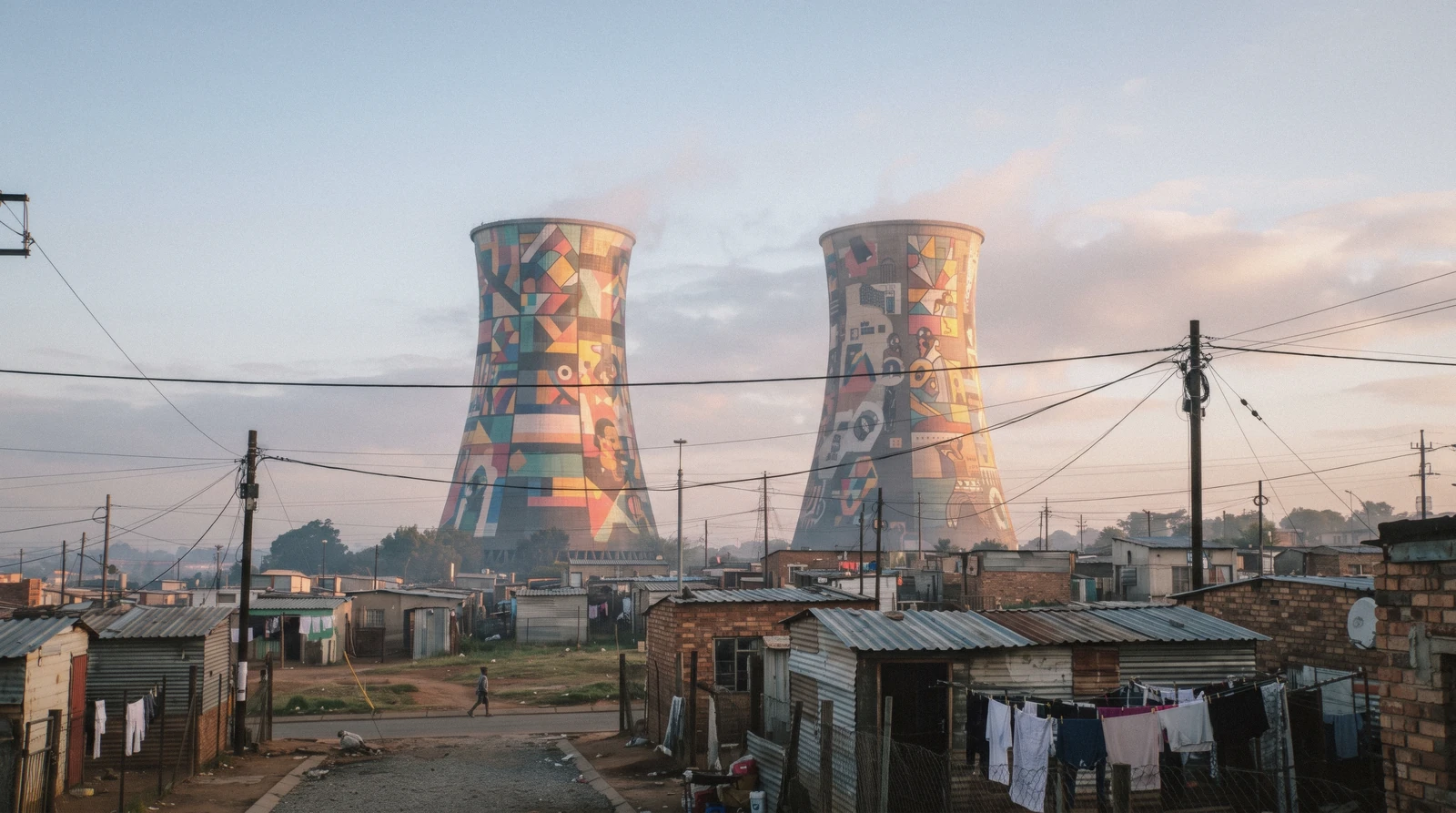
Vilakazi Street, the Hector Pieterson Memorial, the Orlando Towers and the church that took the bullets — what each one is, what it costs, and how they connect.
Soweto is the township south-west of Johannesburg where the country's modern history was made, and the most important half-day a visitor can spend in the city. Two Nobel Peace Prize winners lived on the same street; a twelve-year-old boy died at the corner that starts the uprising story; the biggest Catholic church in South Africa still carries the bullet marks. This page walks the sights one by one with their official fees, the safety frame that works, and how to get there. Whether a guided Soweto tour is worth the money is a separate question with its own answer; the rest of the city's options sit on the things to do in Johannesburg list. Plan the rest of the stay from the Johannesburg city guide homepage.
Quick answer What Soweto is, what the sights cost, whether to go guided, how long it takes
Soweto is worth a full half-day of any Johannesburg itinerary: it is the township where Mandela and Tutu lived on the same street, where the 1976 uprising started, and where the entry fees still run from free to $11.35 (R185). A guided visit is the recommended frame for a first trip.
Key takeaways
- The money: Mandela House charges $11.35 (R185) international adults and is cashless; the Hector Pieterson Memorial lists every fee except the adult one — the full grid is in the tickets table
- The easy first visit: the walking tour with a local guide and lunch costs $43, runs four hours, and carries the group's best reviews
- The frame: come in daylight, move between stops by vehicle or with a guide, and read the city-wide picture on safety and scams before you decide anything else
Key facts
Opening hours
| Area access | Vilakazi Street is a public street — always open, best in daylight |
|---|---|
| Mandela House | Hours not published on the official site; check on arrival |
| Hector Pieterson | Hours not stated on the City of Joburg page; phone 011 536 0611 |
Closed Mandela House closes Good Friday, Family Day, Christmas, the Day of Goodwill and New Year's Day
Admission
- Adult
- Mandela House $11.35 (R185) international / $6.44 (R105) SA and AU adults; Hector Pieterson publishes no adult rate
- Reduced
- Mandela House ages 7–18 and students $4.60 (R75) international; Hector Pieterson teenagers and students $0.61 (R10)
- Free
- Mandela House under-7s (SA/AU); Hector Pieterson children pay $0.31 (R5)
Planning it
- Time needed
- Half a day for Vilakazi Street, the Hector Pieterson Memorial and the towers; a full day if you add the Apartheid Museum side of town
- Book ahead
- Optional — walk-up usually fine
- Address
- Orlando West, Soweto, Johannesburg 1804 — Hector Pieterson Memorial: 8287 Khumalo Street
The two Soweto venues that publish fees, priced against the cheapest guided ways in. Rand figures are the official published prices; dollar figures are ours at $1 = R16.30, rounded to the cent below $20.
Are you paying the venues directly, or paying a guide to carry the story between them?
| Option | Price | What you get | Good for | Book |
|---|---|---|---|---|
| Mandela House, 8115 Vilakazi StreetCard only — the house went cashless at the end of 2025 | $11.35 (R185) international adult; $6.44 (R105) SA/AU adult; under-7s $0.31 (R5) | The red-brick house the Mandela family lived in, with museum exhibits through the rooms | Anyone who wants the room where it happened at their own pace | Official site |
| Hector Pieterson Memorial & MuseumThe adult category is missing from the official page — pay what the desk charges | Elderly $1.84 (R30); teenagers/students $0.61 (R10); children $0.31 (R5) — no adult rate published | The memorial on the corner where the uprising started, and the 1976 exhibition behind it | Visitors who want the uprising told from Soweto's own records | Official site |
| Walking tour with a local guide + lunchThe best-reviewed card in the group: 4.91 from 823 reviews | Listed $43 | Four hours on foot with a resident guide, lunch in the neighbourhood, small groups | First visits, solo travellers, anyone who does not want a bus window | Check Availability |
| Soweto + Apartheid Museum private dayThe museum closes Mondays — check the days before you fix the date | Listed $89 | Five private hours pairing Soweto with the Apartheid Museum, hotel pickup | History-first travellers with a single day to spend | Check Availability |
Venue fees verified against mandelahouse.com and the City of Joburg page; tour figures are the platforms' own list prices. in Q3 2026
Soweto tours compared
All seven cards in the Soweto group, from a $43 walk to a private full day that also covers the city. Each links to the operator's page, where the live calendar shows what is still open for your date.
 from $43
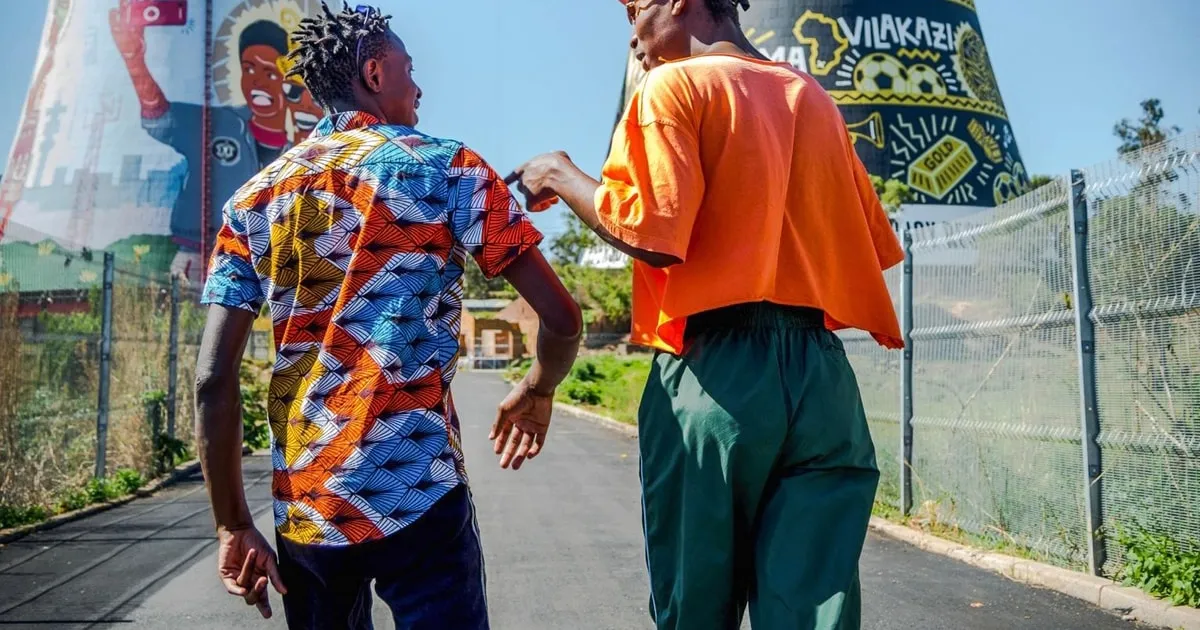
Soweto: Walking Tour with a Local Guide and Lunch
Walk Soweto's streets with a local resident, eat where the neighbourhood eats; the most honest two hours you can buy there.
Check Availability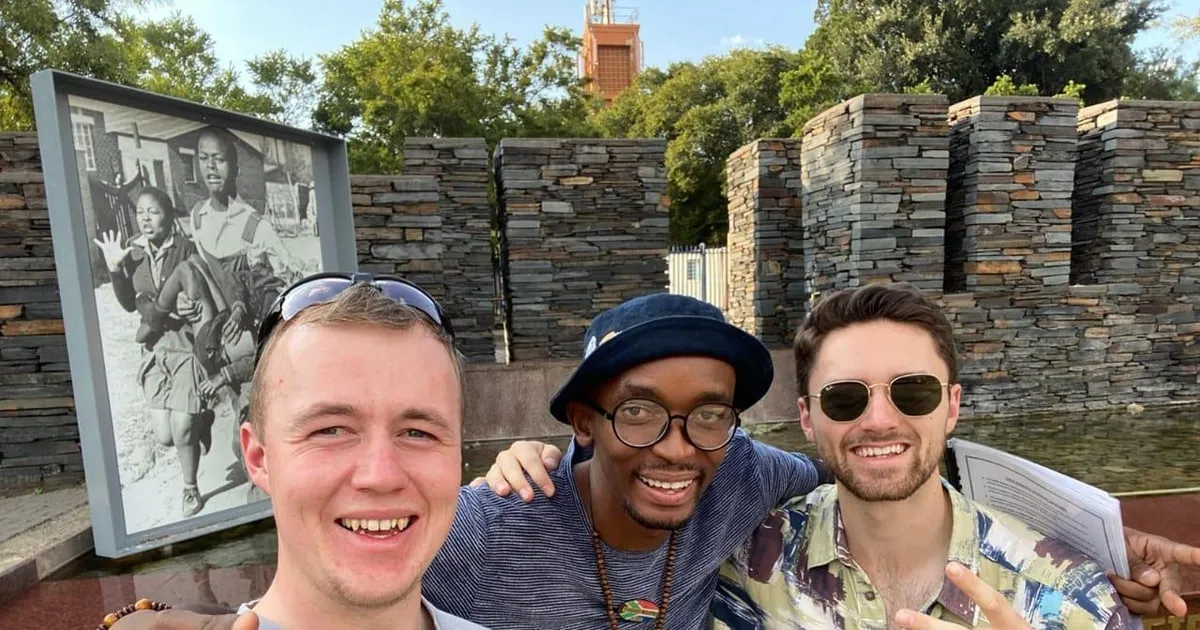 from $120
Johannesburg: Half-Day Soweto Tour with a Local Guide
Half day with a guide who lives there: Vilakazi Street, the Hector Pieterson Memorial and the Orlando Towers up close.
Check Availability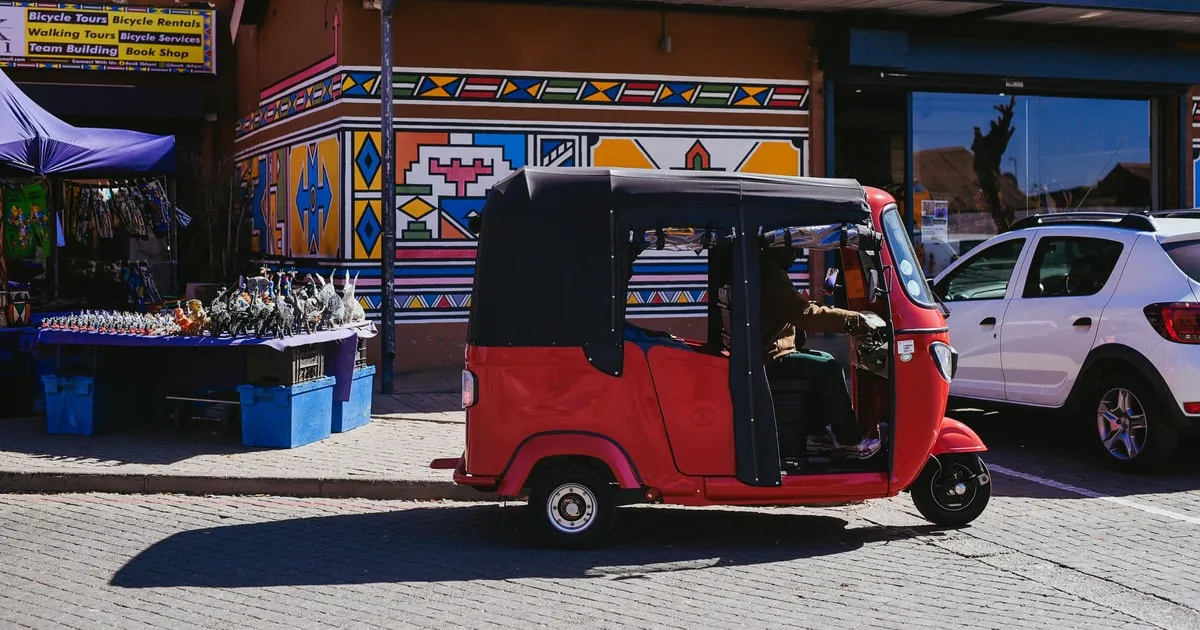 from $58
Johannesburg: Soweto Tour by Tuk Tuk
The tuk-tuk version: three wheels, open sides, the same Vilakazi Street story with the wind in it.
Check Availability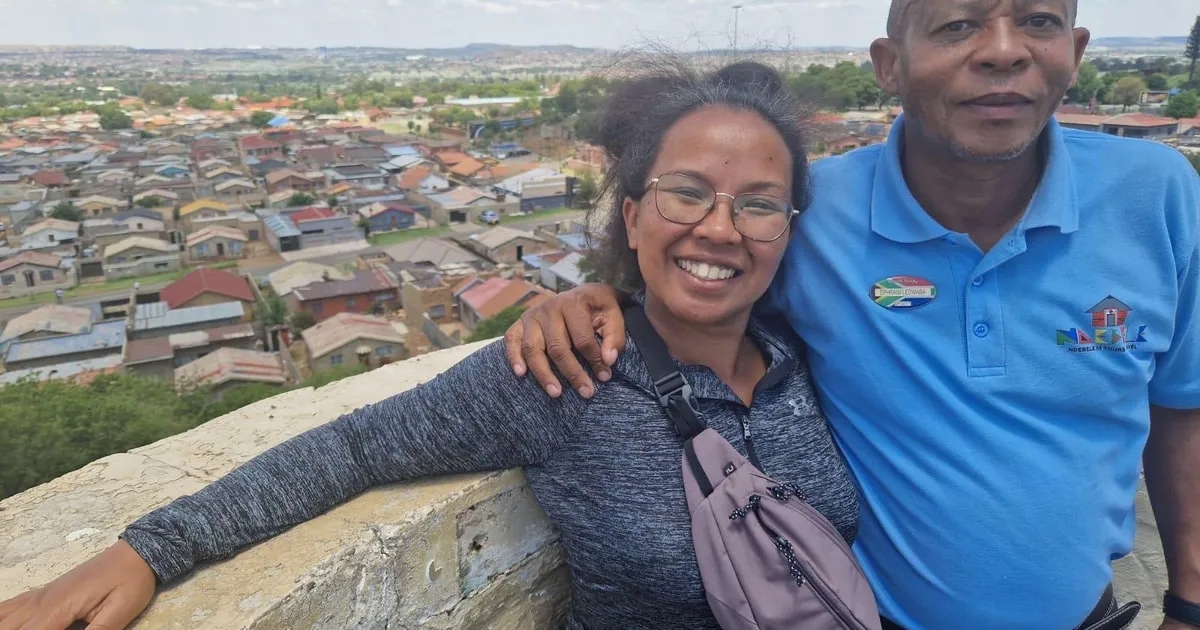 from $84
Soweto Half-Day Tour with Hotel Pickup
The standard half-day Soweto drive with hotel pickup, hitting the landmarks without the museum detour.
Check Availability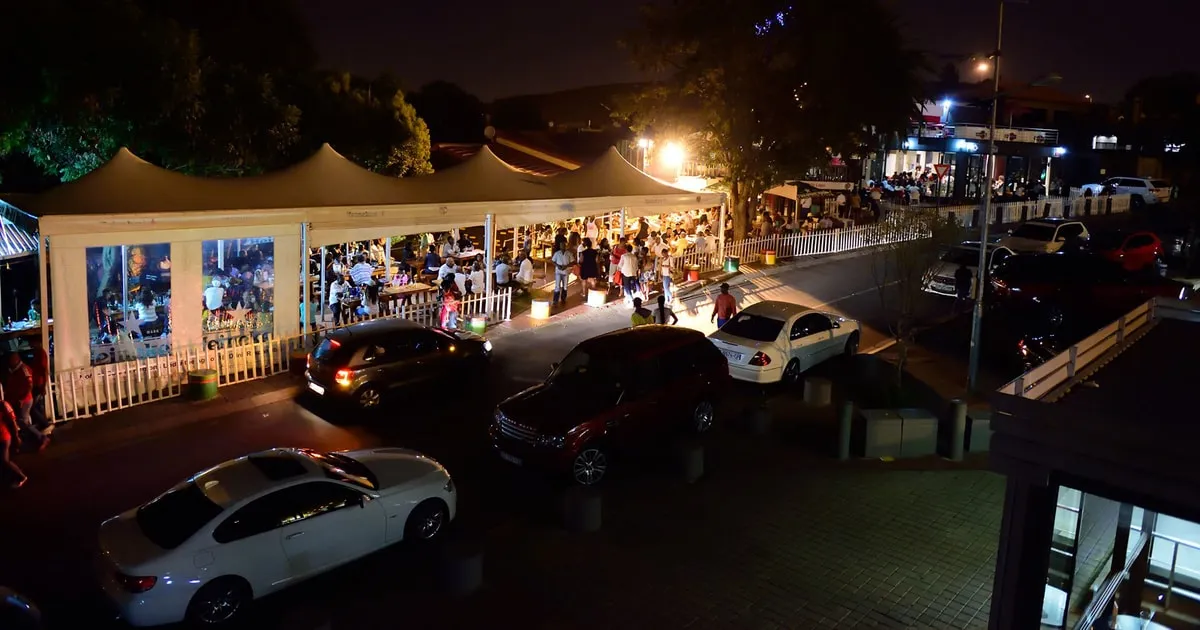 from $110
Johannesburg: Soweto Night Tour
Soweto after dark with a guide: the towers lit, dinner included, the evening version of the township story.
Check Availability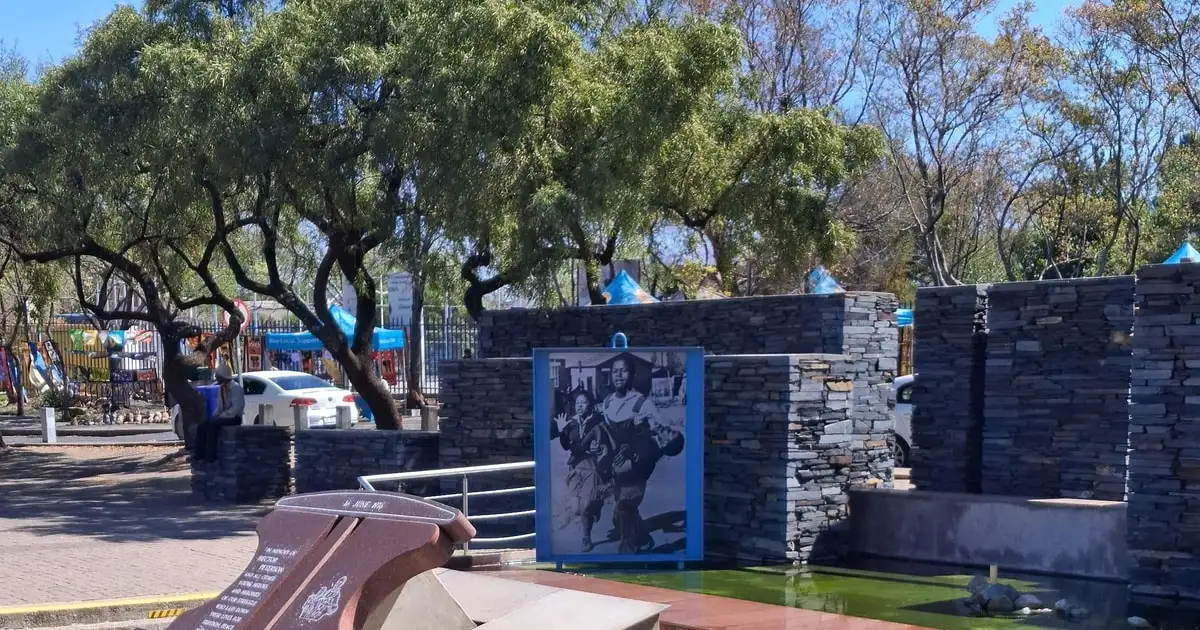 from $89
Apartheid museum and Soweto. 5 hours Private tour
Five private hours covering the museum and Soweto at your own pace; the middle price between shared days and full privates.
Check Availability from $164.59
Private Full Day Soweto and Johannesburg Tour from Johannesburg or Pretoria
Viator's private full-day version with both cities and pickup from Pretoria as well as Johannesburg.
Check AvailabilityPrices, ratings and details are the platform's own. dollar figures are the listed prices — the platform bills in your account's currency.
What Soweto Is
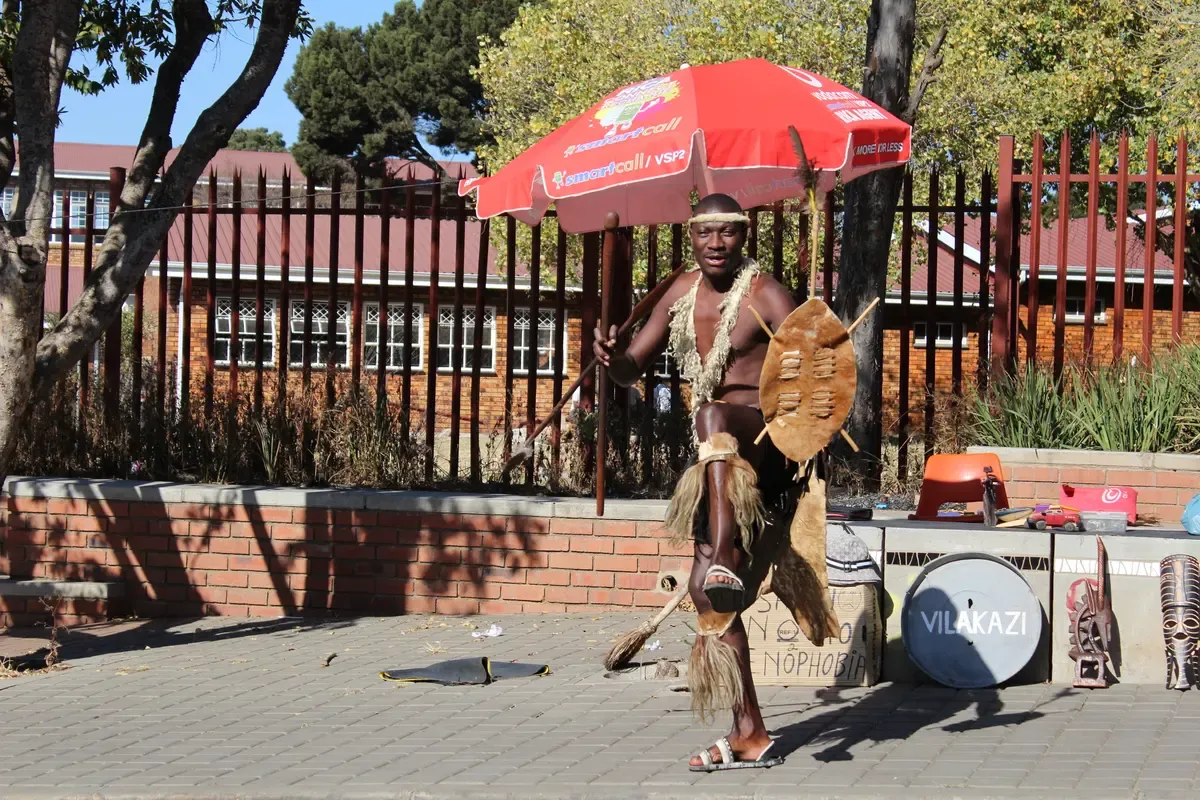
Vilakazi Street on an ordinary morning. Photo: Fata)(Morgana, CC BY 4.0, via Wikimedia Commons
The name is an abbreviation of South Western Townships, adopted in 1963; the place itself is older, growing from the first houses built in Orlando in 1930 when the government began pushing Black residents out of the city's white-designated areas. Today about 1.27 million people live here (2011 census), and it has been part of the City of Johannesburg since 2002. None of that prepares you for the range on the ground: rows of matchbox houses, millionaire homes behind hedges, churches, shebeens, malls and the two painted cooling towers that act as the skyline.
For a visitor, Soweto is not a slum and never reads as one at street level. It is a working city of its own that happened to be built apart, which is why the history sits in ordinary places — a house, a street corner, a parish church — rather than behind a single museum door.
Vilakazi Street: One Street, Two Nobel Peace Prizes
The only street in the world that housed two Nobel Peace Prize winners is a short, tree-lined block in Orlando West, and both houses are on it.
Why the street matters
Nelson Mandela lived at number 8115 with Winnie Mandela while he was in and out of prison; Desmond Tutu's house stands further up the same street. That combination — a statesman and an archbishop on one block of a township built to be peripheral — is why the street carries the weight it does, and why the national tourism body leads its Soweto material with it. Today the block is lined with craft stalls, taverns and restaurants, and it is the one part of Soweto where unaccompanied walking is entirely normal.
Go in the morning: the tour coaches arrive from about 10:00, the light is better for the murals earlier, and the stallholders have just set out.
Mandela House, number 8115
The small red-brick house behind a low fence is where the Mandelas lived from the 1940s, and the exhibits inside read the family's story room by room. Entry costs $11.35 (R185) for international adults and $6.44 (R105) for South African and African Union adults, with children at $4.60 (R75); the museum went cashless at the end of 2025, so bring a card. One honest gap: the official site publishes no opening hours, which is unusual, so check the door board on the day or read our Mandela House page for the fee grid and closure days.
Twenty to thirty minutes inside is enough, and the street outside rewards another twenty.
The Hector Pieterson Memorial and Museum
Two blocks from Vilakazi Street, the uprising story starts at an ordinary corner on Khumalo Street.
The memorial and the photograph
On 16 June 1976, school students marching against Afrikaans as the forced medium of instruction were shot by police in Orlando West; Hector Pieterson was twelve. Sam Nzima's photograph of a dying boy carried by another student, his sister running alongside, went around the world and became the image of the uprising. The memorial stands on the corner where it happened, and the museum behind it tells the months around June 1976 from Soweto's own records and photographs.
The full sequence of the day is on our 16 June 1976 uprising page.
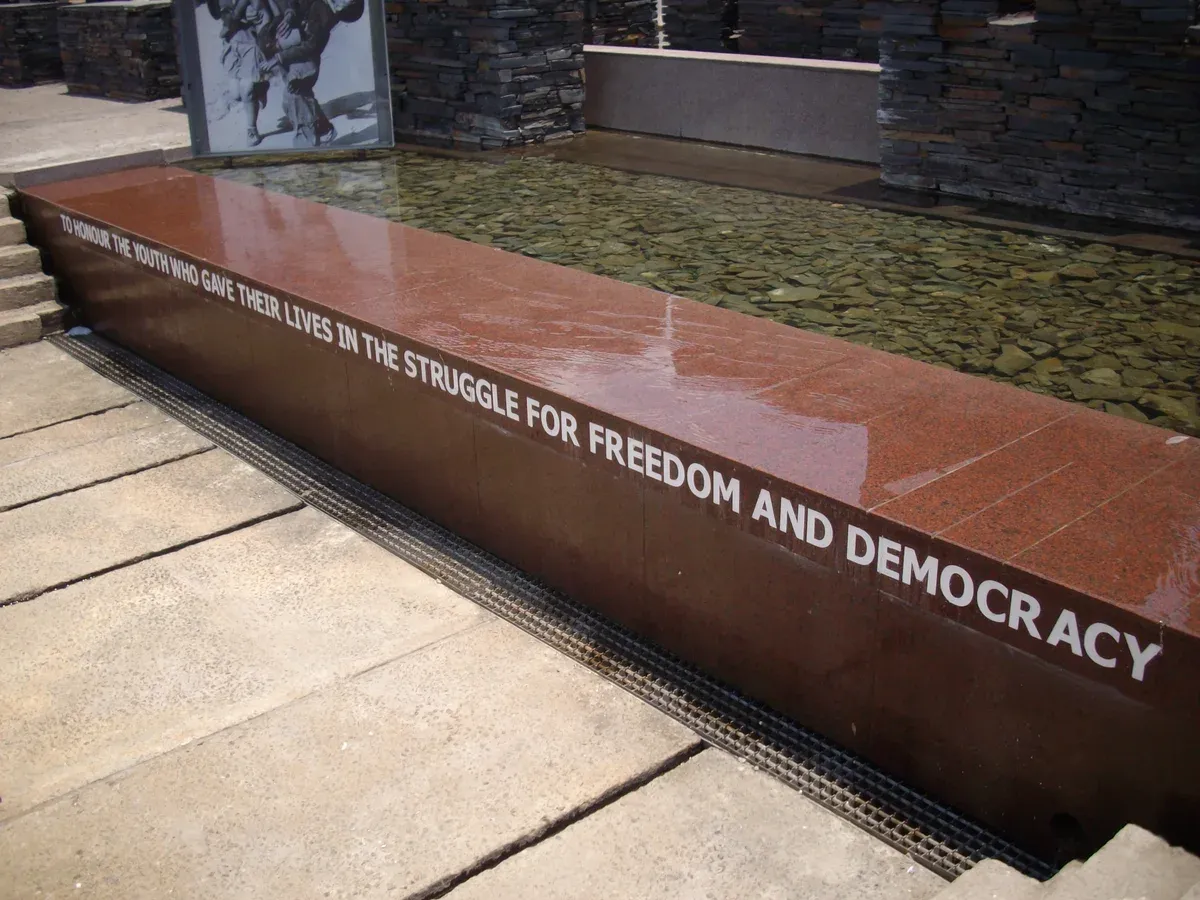
The museum grounds on Khumalo Street. Photo: Thomas.macmillan, CC BY 3.0, via Wikimedia Commons
Fees, address, and the missing adult rate
The address is 8287 Khumalo Street, Orlando West, and the City of Joburg page lists fees for everyone except adults: elderly $1.84 (R30), teenagers and students $0.61 (R10), children $0.31 (R5). The adult category is simply not published — we checked and the highest-priced category shown is the elderly one — so expect to pay what the desk charges, or phone 011 536 0611 before you go. Hours are not stated on the official page either, which is why most guided routes come here in the morning.
An hour covers the exhibition properly; the memorial itself needs ten quiet minutes. The Hector Pieterson Museum page carries the detail.
The Orlando Towers
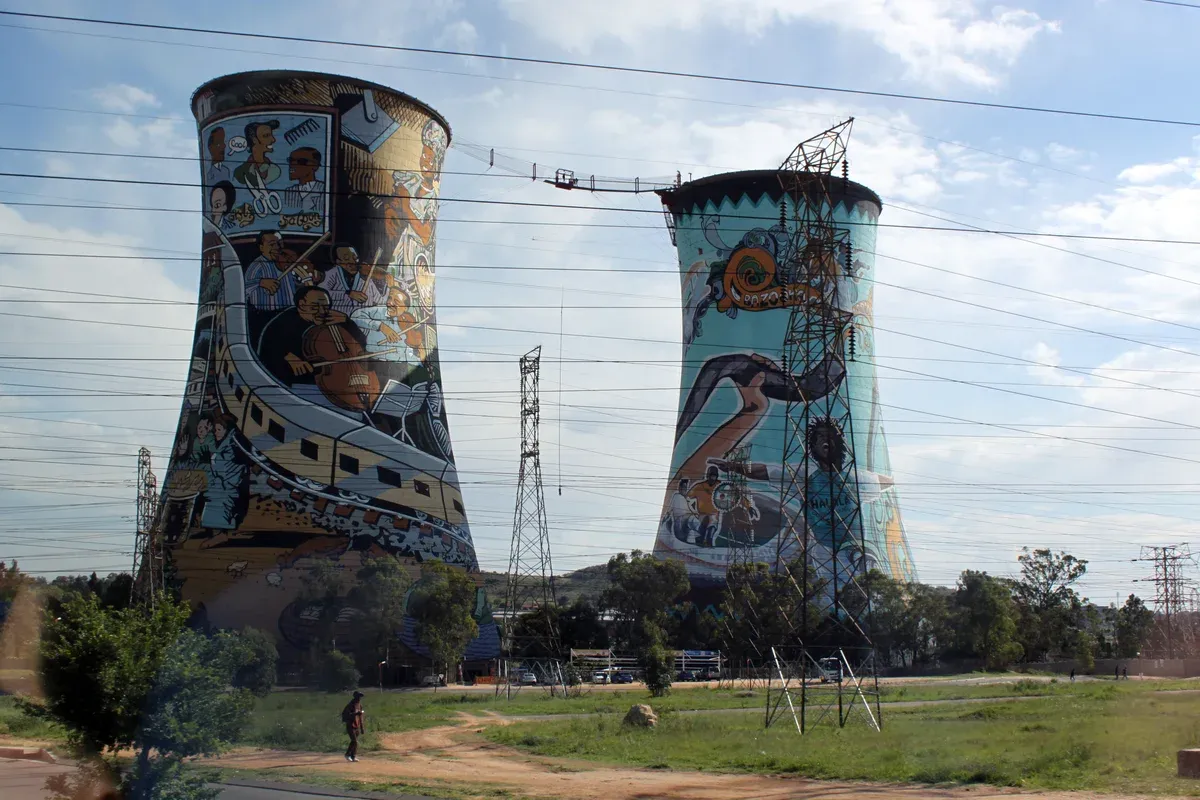
The Orlando Towers from the street. Photo: Anagoria, CC BY 3.0, via Wikimedia Commons
The two cooling towers of the former Orlando power station, painted end to end in murals, are the structure you will see from almost anywhere in Soweto, and the adventure set-up at their base turned them into the township's adrenaline landmark: bungee jumps between the towers, a swing, and an internal mural tour up inside the concrete. Here is the honest part — the operator's own website was unreachable when we checked, serving an under-maintenance page that announces "coming soon", so we print no prices, hours or booking details for it. Nothing here confirms the activities have stopped; the towers remain the most photographed thing in Soweto either way.
If a jump is on your list, book it through a guided combination or verify the operator on the day, and read our Orlando Towers page before planning around it.
Regina Mundi and the 16 June 1976 Story
The uprising has a second address, and it is a church.
Regina Mundi, 'the people's church'
The largest Roman Catholic church in South Africa stands in Rockville, a short drive from Vilakazi Street, and it earned its nickname by being the one hall the apartheid state could not close: political meetings banned everywhere else happened here. When police shot at students in Orlando West on 16 June 1976, crowds fled into Regina Mundi, police followed and fired inside; no one died in the nave that day, but the bullet marks on the interior and exterior walls are still there, deliberately unrestored. Visit outside mass times, and expect a guide or parishoner to find you — the story is told by the people who hold the keys.
The uprising in one paragraph
Students organized the march themselves, against Afrikaans being imposed as the language of half their lessons; the police line at Orlando West fired into it; the photographs travelled; and the years of resistance that followed made Soweto the moral centre of the struggle. The church hosted the Truth and Reconciliation Commission hearings in the 1990s — the whole arc in a single building. Our 16 June 1976 page tells the day hour by hour, and pairs well with the Apartheid Museum on the other side of the city.
Safety in Soweto for Visitors
Johannesburg has a real violent-crime problem, and pretending otherwise helps nobody; the useful question is what a visitor to Soweto actually needs to do. The frame that works, and the one every experienced operator uses: visit in daylight, move between the spread-out sights by vehicle, and do the street-level parts — Vilakazi, the memorial, the markets — with a resident guide whose presence changes how the street reads. Solo night walking in Soweto is not a thing to try, and the night tour card moves between stops by vehicle for exactly that reason.
None of this is exotic: thousands of visitors walk Vilakazi Street every week without incident, the street has its own security, and the township's tourism economy runs on visitors being safe. What you should not do is generalize from Soweto to the whole city or back — the area-by-area detail lives on our safety and scams page.
- Daylight hours only for street-level walking; morning is the quiet window
- Vehicle between stops — the sights sit a few driving minutes apart, not one walk
- A resident guide on foot for Vilakazi Street and the memorial
Getting to Soweto and How Much Time to Give It
Soweto is 30–40 minutes by car from Sandton, and every guided card in the group includes hotel pickup. Driving yourself is straightforward — the M1 south, then the Soweto Highway — and street parking near Vilakazi works in the morning. Public transport exists: the Rea Vaya bus rapid transit network was built to link Soweto with the CBD, but its official site was unreachable when we checked, so we print no fares.
The hop-on hop-off City Sightseeing red bus sells a bus + Soweto combination at R875 adult (about $53.70) and R475 child (about $29.10), with the guided Soweto extension leaving the Gold Reef City stop between 10:30 and 14:30 hourly. The Gautrain does not come to Soweto; its airport fares are on the arrival page.
The routing question is how much daylight you have — the sights sit a few driving minutes apart and the museums close mid-afternoon. The three shapes a Soweto day actually takes:
| Routing | What it covers | What it costs | Time on the ground |
|---|---|---|---|
| The half-day highlights | Vilakazi Street with Mandela House, the Hector Pieterson Memorial, the towers from the outside | From $11.35 (R185) in venue fees, plus transport | Four hours; morning is the right window |
| The full day | The half-day plus Regina Mundi and the Apartheid Museum on the way back | Venue fees plus the museum's own ticket | Seven to eight hours; a lunch stop holds it together |
| With a guide | The walking tour with lunch sets the pace and adds the streets between the sights | Listed $43, venue fees extra unless the listing says otherwise | Four hours, door to door with pickup it is a half-day |
Soweto In Six Dates
Every line here is argued in the sections above; the list is so the story reads in order.
-
1930
The first Orlando houses
The government begins building for Black residents displaced from areas designated for white occupation; the township grows from there through forced removals.
-
1963
A name chosen by committee
South Western Townships is abbreviated to Soweto after a city council process; before that the sprawl was a set of separate names.
-
16 June 1976
The uprising starts in Orlando West
Students march against Afrikaans as a forced medium of instruction; police fire; Hector Pieterson, twelve, is among the killed, and crowds flee into Regina Mundi, where police fire again.
-
1973–1976
The Black Madonna watches
Larry Scully paints the Madonna and Child of Soweto for a Black education fund in 1973; three years later the painting hangs behind an altar inside which shots were fired.
-
1995–1998
The Truth and Reconciliation Commission sits in the church
Hearings chaired by Desmond Tutu run at Regina Mundi — the same building, repurposed from the struggle's refuge to its accounting office.
-
2002
Soweto joins the City of Johannesburg
The township is formally incorporated into the metropolitan municipality, ending its separate administrative history.
Dates from the Wikipedia articles on Soweto and Regina Mundi Catholic Church, fetched for this guide, and the sections above.
Five Things Most Visitors Do Not Know About Soweto
Each of these changes something practical about the day.
- The street with two Nobel laureates is walkable, but only that street. Vilakazi Street is a normal public road with its own security presence; the rest of Soweto's sights sit a driving minute apart, which is why the guided cards exist [southafrica.net Soweto article, and the route map on this page]. - Nobody publishes an adult price for the Hector Pieterson Museum. The City of Joburg page lists elderly $1.84 (R30), students and teenagers $0.61 (R10) and children $0.31 (R5) — the adult category is simply absent [joburg.org.za]. - Mandela House has no published opening hours at all. The official site prints the full fee grid and the cashless rule but no clock times — a genuine gap, not an oversight of ours [mandelahouse.com]. - The Orlando Towers' own website is a placeholder. An under-maintenance page announcing "coming soon" replaces the price list, so any figure you see elsewhere is unverified at the time of writing [orlandotowers.co.za]. - The biggest Catholic church in South Africa keeps its bullet marks on purpose. Regina Mundi in Rockville was fired into by police on the uprising's first day, and the damage was left visible when the church was restored [Wikipedia, Regina Mundi Catholic Church].
A Day in Soweto: What to Do, and What Not To
Every line compresses an argument made above.
Do
- Start at Vilakazi Street before 10:00 — the coaches arrive later and the light is better early
- Take the walking tour with a local guide if it is your first visit; the fee is $43 and the context doubles what you see
- Carry a card: Mandela House is cashless and the rest of the day runs on tap-and-go
- Give the Hector Pieterson Memorial its ten quiet minutes before the exhibition
- Book a museum combination if the Apartheid Museum is on the same day's list
Don't
- Don't walk between the spread-out sights; they are driving minutes apart, not one promenade
- Don't plan a first visit at night on foot — the evening version of the story runs by vehicle
- Don't expect to buy an Orlando Towers jump online right now; the operator's site is a placeholder
- Don't photograph people or stalls without asking
- Don't skip Regina Mundi because it is a ten-minute drive from Vilakazi Street — the marks on the walls are the point
Soweto map: the three anchor sights
Vilakazi Street, the Hector Pieterson Memorial and the Orlando Towers, with the driving logic visible: two anchors minutes apart in Orlando West, the towers south of them.
- 1 Vilakazi Street — Mandela House, 8115The street that housed Mandela and Tutu; $11.35 (R185) international adult, cashless
- 2 Hector Pieterson Memorial & MuseumTwo blocks north on Khumalo Street; fees from $0.31 (R5), no adult rate published
- 3 Orlando TowersThe painted cooling towers; bungee and deck prices unverifiable while the operator's site is down
Numbers match the pins on the map.
GPS per the facts checked for this guide; the pins sit within a few driving minutes of each other.
Around the street: what pairs with Soweto
The sights that share the day with Soweto, closest first.
Mandela House
Number 8115, the red-brick house at the heart of the street. Mandela House costs $11.35 (R185) international adult and is cashless.
On Vilakazi Street itself Read the guideHector Pieterson Memorial & Museum
Straight up Vilakazi to Khumalo Street. The memorial and museum tell the 1976 story; an hour inside is enough.
6 min walk Read the guideOrlando Towers
The painted towers south of Orlando West. Orlando Towers pricing is unverifiable while the operator's site is down — see it from the street either way.
8 min drive Read the guideSoweto questions
Is Soweto worth visiting?
Yes, and it is the most important half-day in Johannesburg: the only street that housed two Nobel Peace Prize winners, the corner where the 1976 uprising started, and a church that still carries the bullet marks all sit within a few minutes of each other. Entry money runs from free to $11.35 (R185), and a guided frame makes the first visit easier — the honest review of the tours compares the cards.
Can you visit Soweto without a tour?
You can, with caveats: Vilakazi Street and the Hector Pieterson Memorial are straightforward to visit on your own in daylight, and driving yourself or using a ride-hailing car between stops is what independent visitors do. What a guide adds is the streets between the sights and the context that turns houses into a story. The walking part is covered above; the tour comparison covers when the guided version earns its fee.
How much does a Soweto tour cost?
The seven cards in our comparison run from $43 for a four-hour walking tour with lunch to $164.59 for a private full day covering both cities, with most shared half-days between $58 and $120. Venue fees are usually extra: Mandela House is $11.35 (R185) international adult. The full price table sits in the comparison post.
What is the best tour of Soweto?
For most first visits: the walking tour with a local guide and lunch — four hours, $43, rated 4.91 from 823 reviews, small groups, daylight. If you would rather cover ground with the story attached, the half-day with a guide who lives in Soweto is the next pick at $120. The tours compared section lines up all seven with what each adds.
Why do tourists visit Soweto?
Because the country's modern history is concentrated here in walkable form: the anti-apartheid struggle, the 1976 uprising and the two Nobel laureates' homes, plus a live music and food culture that grew in spite of all of it. What you eat around the township is part of the reason people come back.
Is Soweto in South Africa a slum?
No. Soweto is a city district of about 1.27 million people with a range of housing from matchbox originals to wealthy suburbs — the slum label is a leftover from the segregation that built it. Reading what Soweto is above is the fastest correction; the neighbourhood guide puts it among the city's other districts.
How much time do you need in Soweto?
Half a day covers the three anchors — Vilakazi Street with Mandela House, the Hector Pieterson Memorial, the towers from the outside. Add Regina Mundi and the Apartheid Museum and it becomes a full day, which is exactly what the routing table splits out. Book nothing in a fixed slot except a guide; the sights have no timed tickets.
Soweto on Film: the Streets, the Tours, the Towers
Three films that show the ground before you walk it — the streets a walking tour covers, the half-day route, and the bike version.
Ultimate Soweto Johannesburg Half Day Tour
The operator's own run through the half-day route — the stops in the order most cards drive them.
Video: MoAfrika ToursA tour through Soweto, Johannesburg
Walking, biking and tuk-tuk touring with a resident guide — the closest thing to the walking-tour experience on video.
Video: Mr and Mrs RomanceSoweto Bike Tour - Johannesburg, South Africa
The two-wheel version of the route, useful for judging the distances between the sights.
Video: 7 Continents 1 PassportVideos load from YouTube only when you press play.
Prices, hours and terms are set by the venue or operator and confirmed at checkout.
We may earn a commission if you book through one of our links, at no extra cost to you. Full affiliate disclosure