 Johannesburg Travel Guide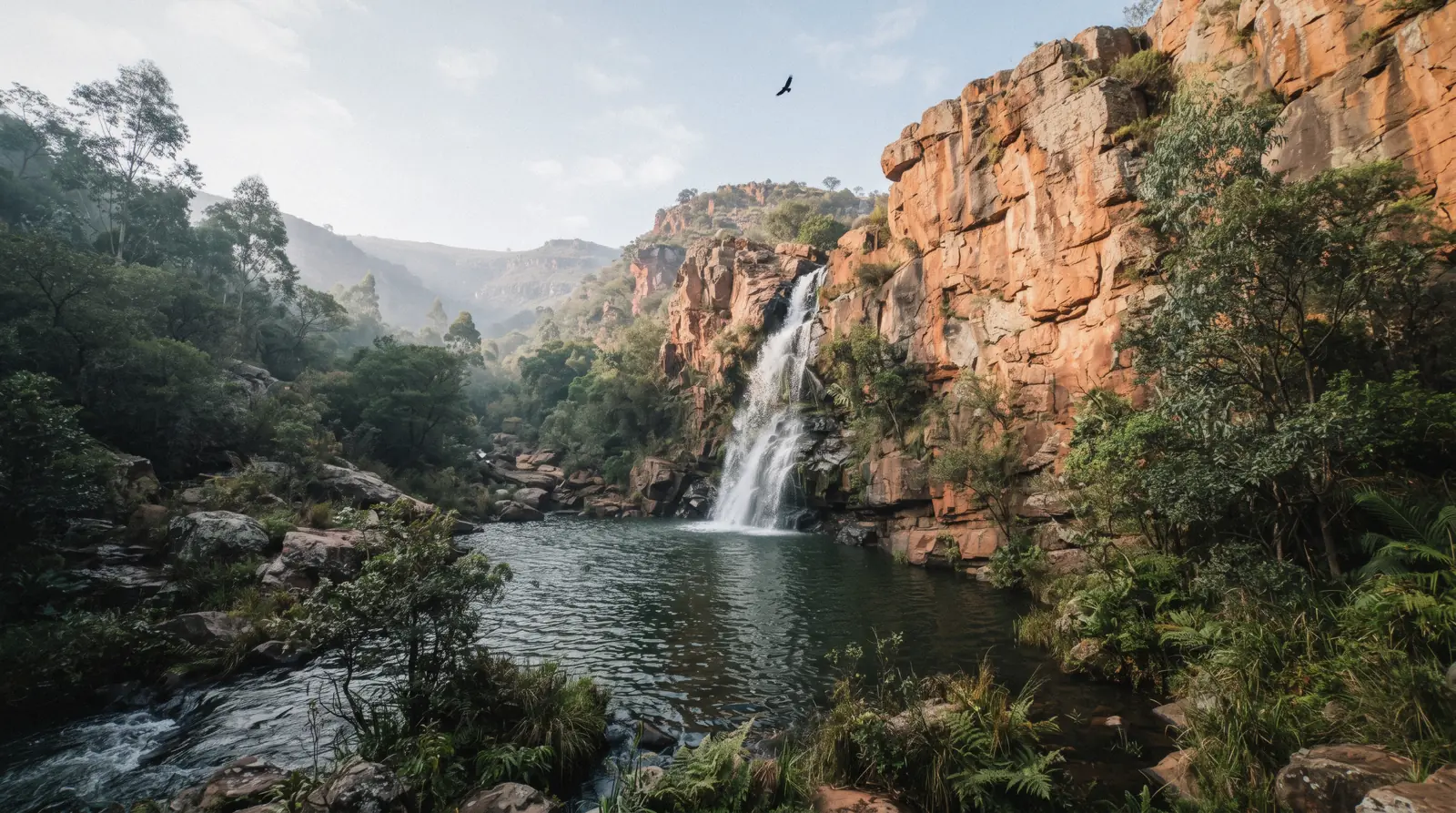
The Walter Sisulu National Botanical Garden is a 300-hectare reserve of grassland and kloof at the end of Malcolm Road in Roodepoort, on Johannesburg's western edge. The Walter Sisulu botanical garden, as the short form goes, is built around one of the city's genuinely dramatic sights: the Witpoortjie waterfall dropping off the Roodekrans ridge, below which a pair of Verreaux's eagles has nested for decades. It is run by SANBI, it is cashless, and this page covers the fee grid, the falls, the eagles, the walking paths and the pairing with the Cradle of Humankind next door — with the honest finding that no booking-platform tour covers the garden at all. Everything else this trip needs is routed from the Johannesburg city guide homepage.
Quick answer Entry fee, hours, the falls, the eagles, the catch
The Walter Sisulu Botanical Garden is open 08:00–17:00 every day, and peak-season entry (September–March) is $6.13 (R100) for adults, card or online only — no cash. The Witpoortjie waterfall and the Verreaux's eagles nesting on the cliff beside it are the two things you come for.
Key takeaways
- No tour product covers the garden — it is self-guided and the gate sells tickets directly, so the money question is just the fee grid below
- The natural pairing is the Cradle of Humankind on the same side of town: the guided Cradle tour with transfers covers Sterkfontein and Maropeng while the garden fills your morning
- If the day is about the outdoors, the Hartbeespoort day trip and the Lion & Safari Park complete the western arc
Key facts
Opening hours
| 08:00–17:00 |
Closed None — the garden opens daily, including public holidays
Planning it
- Time needed
- Not stated by SANBI; our routing: 2–3 hours for the falls loop and the eagle cliff, half a day with a picnic
- Address
- End of Malcolm Road, Poortview, Roodepoort, Gauteng
The full entry grid as SANBI publishes it on its ticketing platform for the peak season (September to March, which covers the current visit window), converted at $1 = R16.30. There is exactly one way in — the garden's own gate — so every row below is the official one. adult peak: $6.13 (R100), September to March concessions: Students $3.68 (R60); scholars 6–17 $2.15 (R35); under-6s free; SA pensioners $6.13 (R100) and free on Tuesdays anomaly: The ticketing page also lists "Adults 18+ R90" ($5.52) with no season label — see the fee section
Are you paying at the gate today, or should the visit move to a Tuesday?
| Ticket | Price | Fine print | Book |
|---|---|---|---|
| Adult, peak (September–March)The default entry for the current season | $6.13 (R100) | Online ticket or card at the gate; the garden takes no cash at all | Official site |
| StudentsAnyone carrying valid student ID | $3.68 (R60) | Student card at the gate | Official site |
| Scholars 6–17 / under-6sFamilies — the garden is one of Johannesburg's cheapest full-morning outings with kids | $2.15 (R35) / free | Children under six enter free without a ticket | Official site |
| SA pensionersOver-60s who can shift the visit to a weekday | $6.13 (R100); free on Tuesdays | Free Tuesday entry is the best single deal on this page | Official site |
| "Adults 18+" (unlabelled season)Winter visitors, probably — confirm at checkout rather than at the gate | $5.52 (R90) | The ticketing page lists this R90 adult rate with no season attached — most likely the off-peak (April–August) rate, but SANBI does not label it | Official site |
Three honest caveats. First, the grid above is the peak schedule; the fee differences between peak (September–March) and off-peak are real but SANBI's own labelling is so thin that the R90 row above is the only off-peak figure that can be printed with confidence. Second, entry is card-or-online only — arrive with cash and you will be turned around at the gate. Third, add-ons exist beyond entry: a staffed picnic setup runs R350, a photography shoot permit R1,000, and golf-cart hire R100–R150. Annual membership, if you will repeat the visit, is $39.9 (R650) for adults. Figures as read in Q3 2026.
Tours for the area, honestly labelled
Nothing on the booking platforms covers the garden itself — no operator runs a Walter Sisulu product, because the garden needs no guide and sells its own tickets at the gate. These three cards are the nearest honest alternative: bookable tours for the days around it, the Cradle of Humankind and the Hartbeespoort valley, which pair with a garden morning rather than replace it.
 from $131
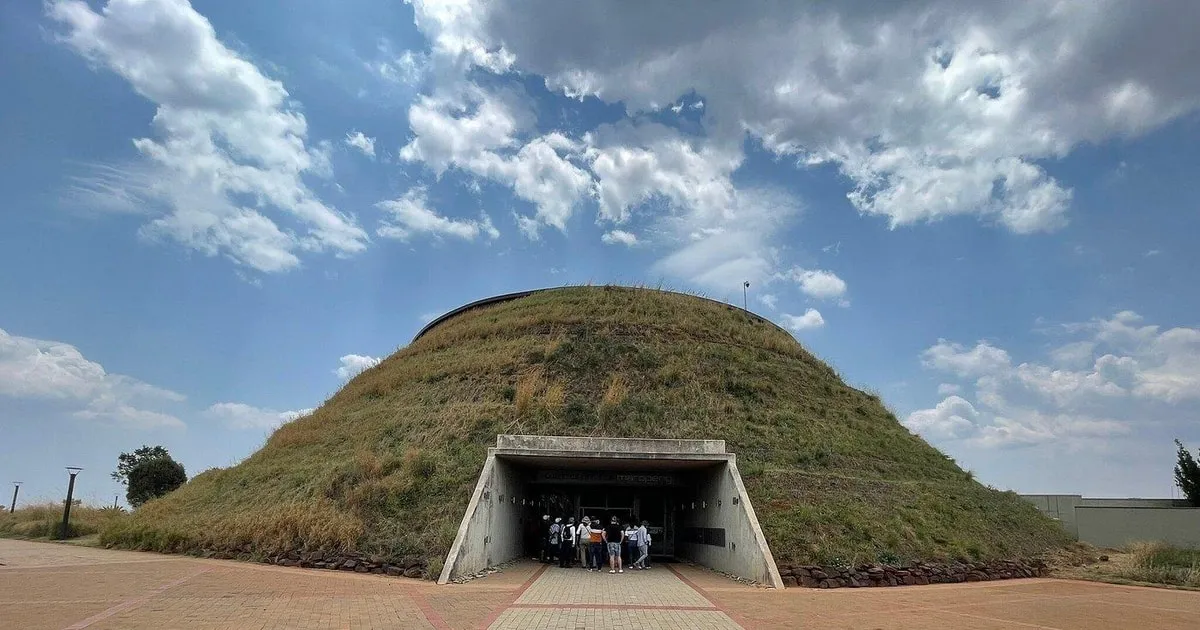
Johannesburg: Cradle of Humankind Guided Tour with Transfers
The Cradle of Humankind day with transfers from Johannesburg: Maropeng's museum and the Sterkfontein area in one trip.
Check Availability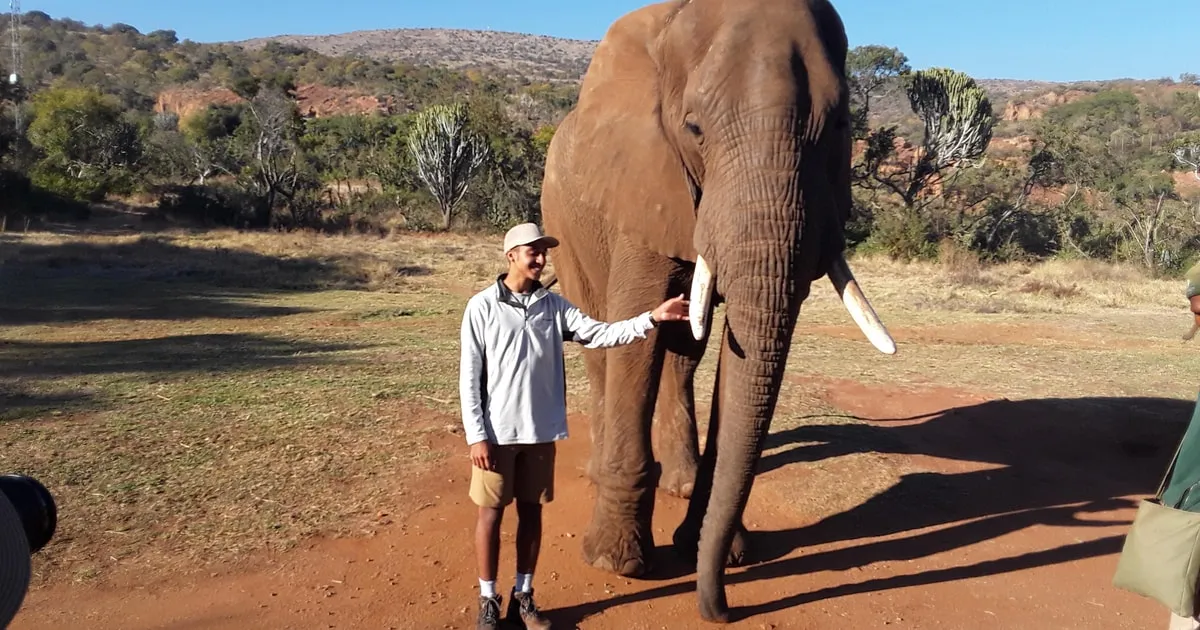 from $83
The Elephant and Monkey Sanctuary
Hands-on time with rescued elephants and monkeys at Hartbeespoort, an easy half day from the northern suburbs.
Check Availability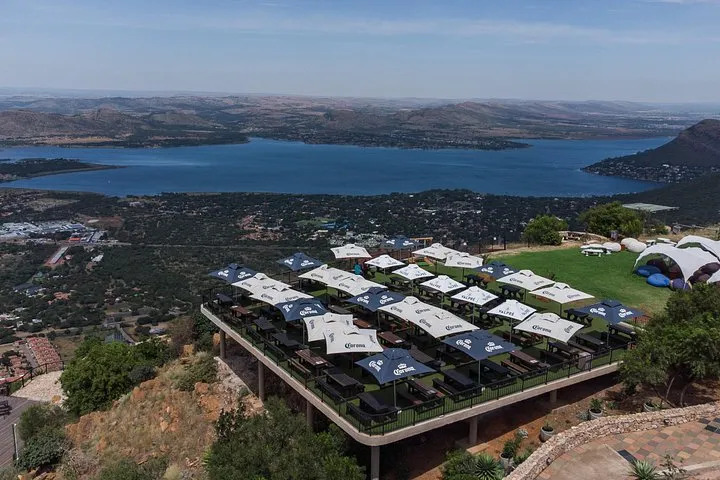 from $32.17
Hartbeespoort Cableway Adult Ticket
The Hartbeespoort cableway's return ticket, booked ahead: the ridge panorama without a tour vehicle.
Check AvailabilityPrices, ratings and details are the platform's own. dollar figures are the listed prices — the platform bills in your account's currency.
What the garden is
A 300-hectare botanical reserve and nature area on the western Rand, run by the South African National Biodiversity Institute, where the Roodekrans ridge closes around a gorge and the garden paths all end, sooner or later, at the waterfall.
From Transvaal garden to Walter Sisulu
The garden was founded in 1982 as the Transvaal National Botanic Gardens, the fourteenth of South Africa's national botanical gardens, and opened to the public in 1987 as the Witwatersrand National Botanical Garden on about 120 hectares of the farm Roodekrans handed over by the Krugersdorp council. It was later renamed for Walter Sisulu, the anti-apartheid statesman, and it now carries three vegetation types — Northern Afrotemperate Forest, Egoli Granite Grassland and Gold Reef Mountain Bushveld — holding more than 600 naturally occurring plant species. The practical point of the history: this is a working botanical garden and a nature reserve at once, which is why mongoose and otters share the paths with the plant collections, and why about 240 bird species have been recorded on site.
Why Johannesburg rates it
SANBI's own line is that the garden has been voted Gauteng's best place to get back to nature for several consecutive years, and the claim survives contact with the place: the ridge gives the whole reserve a scale no city park has, the Crocodile River's headwater stream runs through it, and the waterfall at its heart anchors a view that photographs like the Drakensberg at a 30-kilometre commute from the CBD — South African Tourism puts the garden about 30 km west of the city centre. For a visitor with one free morning in Johannesburg and no car full day to spend, this is the outing that asks the least and returns the most; the free things to do list names it the closest thing to hiking the city has inside the toll-free radius, at less than the price of a coffee.
The Witpoortjie waterfall and the eagles
The two sights that make this a destination rather than a park, and they share one cliff: the falls drop off the Roodekrans ridge, and the eagles nest on the rock face beside them.
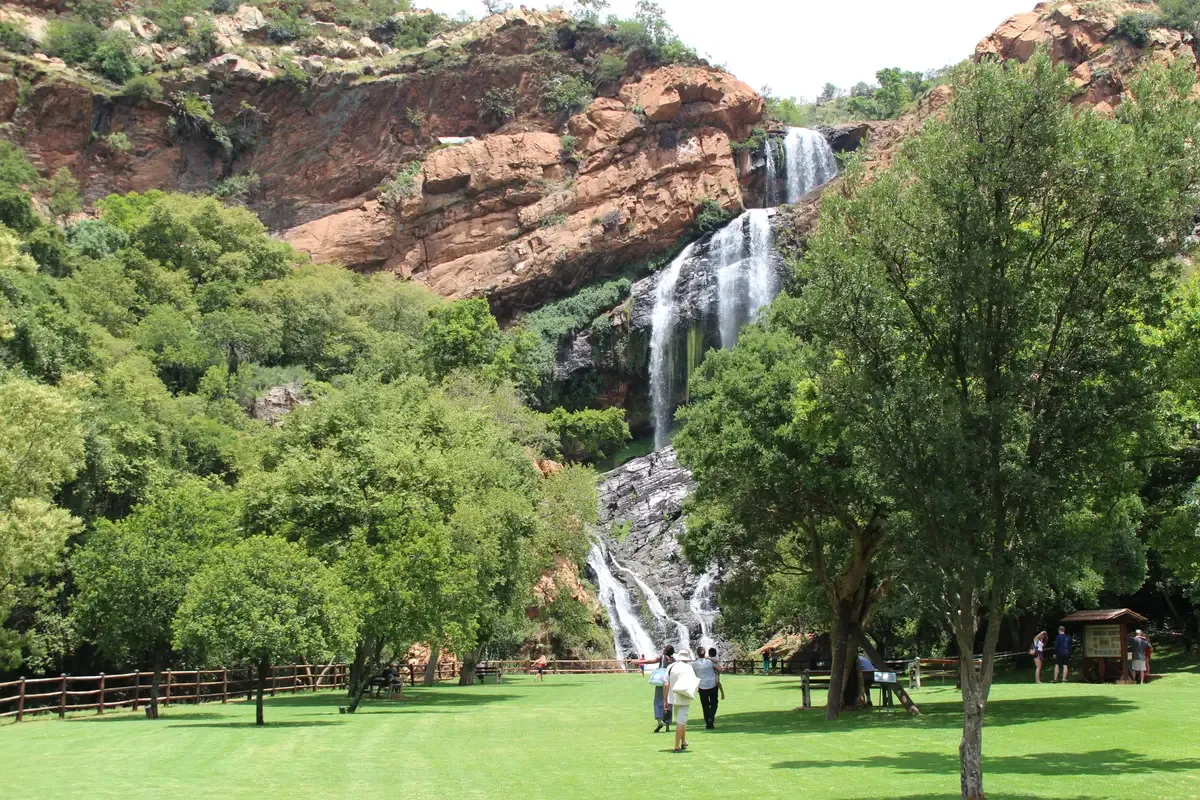
The Witpoortjie Falls from the garden paths. Photo: Lavinia Engelbrecht, CC BY-SA 4.0, via Wikimedia Commons
The falls
The Witpoortjie Falls — the name is the garden's original farm name — drop some 70 metres off the Roodekrans ridge down a quartz-and-shale face, on the Muldersdrif-se-Loop stream near the source of the Crocodile River. After summer rain the falls carry real weight; in a dry winter they thin to a silver thread, so plan the photography for the October-to-April window if the waterfall is the point. Viewpoints sit on both sides of the gorge, reached on garden paths from the entrance area, and the cliff-top walk gives the full drop.
It is the most photographed single sight on Johannesburg's western edge, and on a weekday morning you will often have it to yourself.
The Verreaux's eagles on the cliff
A breeding pair of Verreaux's eagles — the big black eagles — nests on the cliffs near the waterfall, and this garden is one of the few places on Earth where a city can watch them from below. The documented line is remarkable: eagles have held the site since at least the 1940s; the long-serving female Emonyeni, who fledged around 45 broods' worth of years at the cliff, vanished in 2016; her successor Makatsa arrived that same year, the male Mahlori in 2019, and the pair has bred on a new nest since 2020, raising their fourth chick in four years by mid-2023. Watch the thermals above the ridge from the viewpoint near the falls — the display flights are the spectacle, and early morning is when the birds fly.
The bird hide by the small dam covers the quieter side of the garden's birdlife while you wait.
What you do there: paths, hides, picnics
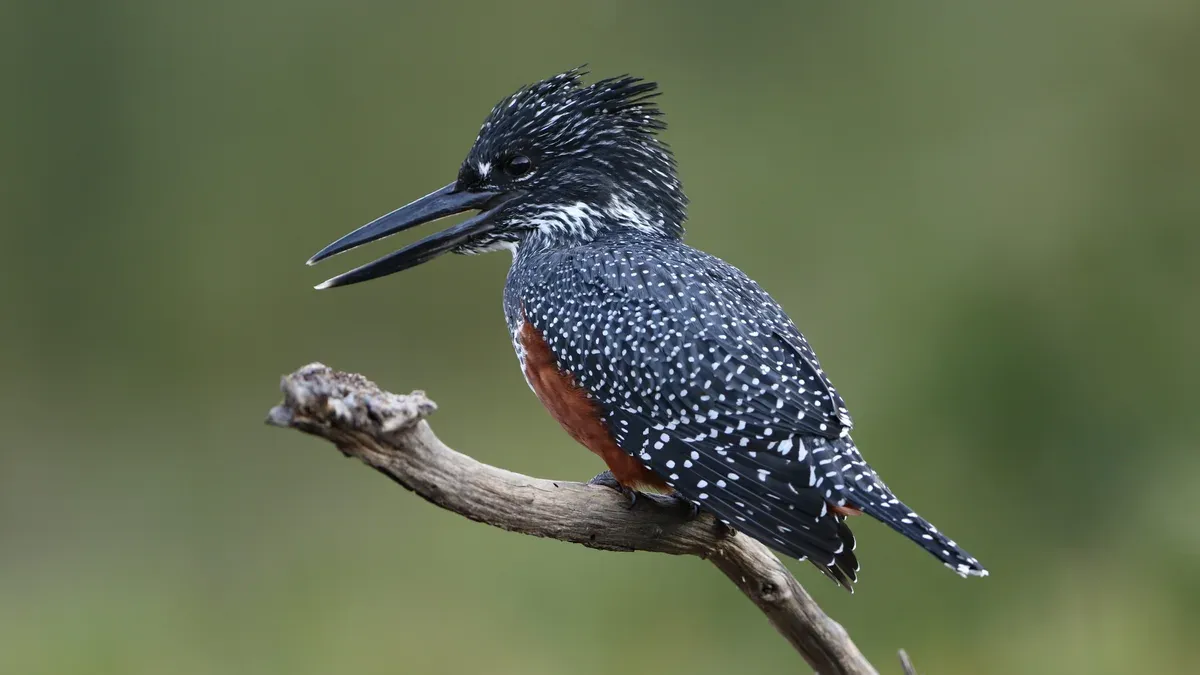
A giant kingfisher at the garden's dam — the bird hide is built for exactly this. Photo: Derek Keats from Johannesburg, South Africa, CC BY 2.0, via Wikimedia Commons
The walking paths and the hikes
The garden's path network is self-guided by design — SANBI publishes a trail map rather than a guided schedule, and no tour operator covers the ground. The walks range from level garden loops past the cycad and succulent collections to the ridge-side routes that climb towards the waterfall viewpoints, and the hiking community treats the longer combinations as Johannesburg's most reliable half-day walk: real altitude gain on the ridge, marked paths, and an exit at a restaurant. Wear proper shoes on the ridge routes after rain, carry water — the Highveld sun at 1,500-plus metres is sharper than the temperature suggests — and note the garden sits at roughly 30 km from the city centre, so morning haze burns off into hard light by ten.
The bird hide, the dam and the picnic lawns
Beyond the eagles, the garden's bird list runs to about 240 recorded species, and the bird hide overlooking the small dam is where you sit for the kingfishers and herons — a giant kingfisher at the water is a regular enough sighting that it carries its own visitor photographs. The lawns near the entrance are the picnic ground: bringing your own food is what the lawns are for, and if you want the setup handled, the garden rents staffed picnic setups from R350. The restaurant by the entrance covers the no-basket visitors, and a gift shop sits alongside; golf-cart hire at R100–R150 carries anyone who cannot manage the ridge on foot.
How much time to give the garden
SANBI states no visit length, so these routings are ours, built on the 08:00–17:00 hours and what the light does on the ridge.
The garden repays the early start more than any other Johannesburg outing: the eagles fly in the morning thermals, the picnic lawns fill by late morning on weekends, and the afternoon thunderstorm season (October to April) owns the ridge after about two in the day. The best time to visit guide carries the seasonal arithmetic.
| Routing | What you get | What it skips | Gate to gate |
|---|---|---|---|
| The falls loop | In at 08:00, the waterfall viewpoints, the eagle cliff, the bird hide, out by 10:30 — the garden's two headliners at their quietest | The ridge walks and the picnic ritual | Two to three hours |
| The picnic day | Falls loop first, then the lawns until the heat or the 17:00 gate ends it; add the R350 setup if the basket stayed home | The ridge hikes — the afternoon belongs to the lawn | Half a day, easily the whole day with children |
| The Cradle pairing | Garden at 08:00, out by 11:00 for the western arc — the caves and Maropeng, or the guided Cradle tour at $131 if the driving should be someone else's | The picnic; the garden becomes the morning act | A full day across the west of Gauteng |
Getting there and the practical bits
The garden sits at the end of Malcolm Road, Poortview, Roodepoort — a residential dead-end that surprises first-time visitors — about 30 km west of the Johannesburg city centre by South African Tourism's figure, and it navigates cleanly by its official GPS at -26.08716, 27.84463. There is no train and no practical bus; this is a driving or ride-hailing outing, with free parking at the entrance. From the northern suburbs the drive crosses to the western Rand, so budget the getting-around guide's peak-hour arithmetic rather than the map's.
The rule that catches visitors out is payment: the garden is cashless — tickets online through SANBI's platform or by card at the gate, no exceptions. The switchboard on 087 740 3639 answers practical questions, and the after-hours number is 079 778 3851. Check the plan page before a public-holiday visit; the garden stays open on days the museums close, which makes it the default Johannesburg outing when everything else is shut.
- End of Malcolm Rd, Poortview, Roodepoort; GPS -26.08716, 27.84463 (SANBI's own coordinates)
- Open 08:00–17:00 every day; cashless — online ticket or card at the gate
- Switchboard 087 740 3639; after hours 079 778 3851; [email protected]
- No tour bus reaches it and none covers it — drive, ride-hail, or pair it with a Cradle tour
At the garden: do and don't
The visit, compressed into the lines that matter.
Do
- Arrive for the 08:00 opening — the eagles fly on the morning thermals and the falls viewpoints are empty
- Bring a card, not cash: the gate turns cash away, and the online ticket path is the faster one
- Shift the visit to a Tuesday if you are a South African pensioner — entry is free
- Take the ridge path after the falls loop; the hiking is the garden's quiet best, and the trail map at the gate is free
- Pair the morning with the Cradle sites — the guided tour with transfers makes the second half of the day someone else's driving problem
Don't
- Don't plan a winter visit expecting heavy water — the falls thin dramatically; October to April is the photographic window
- Don't leave the picnic decision to the gate: the lawns welcome baskets, but the staffed setup costs R350 booked ahead
- Don't count on a tour product — none covers the garden, so self-guide or reframe the day around the Cradle cards above
- Don't skip sunscreen at altitude; the ridge shade disappears by mid-morning
- Don't arrive expecting to pay for extras with cash — the photoshoot permit, the golf cart and the picnic setup all run through the cashless system
Walter Sisulu Botanical Garden map
The garden gate and the Cradle site that shares the western arc — the garden's own paths start at the pin.
- 1 Walter Sisulu National Botanical Garden, end of Malcolm RdOpen 08:00–17:00 daily, cashless; the falls and the eagle cliff are signposted from the entrance
- 2 Sterkfontein Caves, Cradle of HumankindThe natural pairing to the north-west; tours closed Mondays
Numbers match the pins on the map.
Next stop from the garden
The western Gauteng arc, ordered by how naturally each pairs with a garden morning.
Cradle of Humankind
Sterkfontein's caves and Maropeng make the morning-after pairing — human origins before lunch. The Cradle guide and the tickets page have the times, prices and the Monday closure.
Same side of Gauteng Read the guideLion & Safari Park
Free entry, guided drives from $35.30 — the wildlife half of the western arc. The Lion & Safari Park guide has the activity grid and the 12:00 feeding.
R512 corridor Read the guideHartbeespoort
Over the ridge to the dam for the cableway and the water. The Hartbeespoort day trip guide is the full plan.
Day-trip pairing Read the guideFive things most visitors do not know
Each comes off SANBI's own pages or the checked record, and each changes a decision.
- The garden is completely cashless. SANBI's visitor page states plainly that cash payments are no longer accepted — online tickets or card at the gate, or you turn around [sanbi.org visitor information]. - Pensioners walk in free on Tuesdays. The standard SA pensioner rate is the same R100 as any adult, but the Tuesday waiver is printed on SANBI's own fee grid and almost nobody uses it [SANBI ticketing platform]. - The ticketing page carries a mystery R90 adult rate. It is listed as "Adults 18+" with no season label — almost certainly the April–August off-peak price, but SANBI does not say so, which is why this page prints it as an anomaly rather than a fact [SANBI ticketing platform]. - The eagle dynasty is on its second generation. Emonyeni, the cliff's long-serving female, vanished in 2016; Makatsa and Mahlori took over, and by 2023 had raised four chicks in four years on a new nest beside the falls [Wikipedia "Walter Sisulu National Botanical Garden"]. - Entry is free during National Gardens Week each March, when SANBI opens all its gardens — the one week the fee grid goes to zero [SANBI].
Walter Sisulu Botanical Garden questions
How much is the entrance fee at Walter Sisulu Botanical Garden?
Peak season (September to March) it is $6.13 (R100) for adults, $3.68 (R60) for students and $2.15 (R35) for scholars aged 6 to 17, with under-6s free and SA pensioners free on Tuesdays. An unlabelled $5.52 (R90) adult rate on the ticketing page is most likely the off-peak figure. Payment is card or online only — no cash.
Can you bring your own food at Walter Sisulu Botanical Gardens?
Yes — the picnic lawns near the entrance are exactly for that, and families carry in baskets as a matter of course. If you would rather the setup be handled, the garden rents staffed picnic setups from R350. The restaurant by the entrance covers the no-basket days.
What is not allowed at Walter Sisulu Botanical Gardens?
The restriction the gate actually enforces is payment: no cash is accepted, online tickets or card only. Beyond that, SANBI keeps its detailed rules in a downloadable document rather than on the visitor page, so if your plan involves anything beyond walking and picnicking — a photoshoot (permit R1,000), a drone, furniture — call the switchboard on 087 740 3639 first.
Can you see the Verreaux's eagles at the garden?
Often, and never guaranteed. A breeding pair nests on the cliffs beside the Witpoortjie waterfall — Makatsa and Mahlori since 2020, after the long-serving female Emonyeni vanished in 2016 — and they are watched from the viewpoints below the cliff. Go at opening: the birds ride the morning thermals, and the bird hide at the dam covers you when the cliff is quiet.
Is the Walter Sisulu garden good for hiking?
It is Johannesburg's most reliable half-day walk: marked paths from level garden loops to the ridge routes with real altitude gain, a trail map from SANBI, and an exit at a restaurant. Wear proper shoes after rain and carry water — the Highveld sun at over 1,500 m is sharper than the temperature reads.
Which botanical garden in South Africa is considered the most beautiful?
South Africans argue about Kirstenbosch in Cape Town and this garden in that order — and SANBI's own claim for the Walter Sisulu is that it has been voted Gauteng's best place to get back to nature for several consecutive years. What no other garden in the country has is a 70-metre waterfall with black eagles nesting on the cliff beside it, 30 km from a city centre.
How do you get to the garden without a tour?
By car or ride-hail: the garden is at the end of Malcolm Road, Poortview, Roodepoort (GPS -26.08716, 27.84463), with free parking and no bus or train service. That is also why no tour product covers it — the garden needs no guide and sells its own tickets. For the wider day, the Cradle tours above pick up from the city and leave your morning free for the garden.
Where the garden fits in a Johannesburg day
Take the 08:00 gate, do the falls loop while the eagles fly, and be out by 11:00 with the garden's two headliners behind you. West and north from here the day writes itself: the Cradle of Humankind caves, the Lion & Safari Park on the R512, or the dam at Hartbeespoort. The day trips hub ranks the arc by drive time, the things to do list slots the garden among the city's sights, and Johannesburg with kids makes the picnic-lawns case.
When March comes around, remember National Gardens Week — the same visit, no gate fee — and if the Cradle is the afternoon, the guided tour with transfers is the booking that holds it.
The garden on film: the falls, the trails, the day out
Three clips that show the waterfall, the walking routes and the picnic-day rhythm as visitors film them — the fastest way to see whether the ridge walk is for you.
Walter Sisulu National Botanical Garden (Joburg Gem)
A walk through the garden's highlights — the falls, the lawns and the paths — filmed on a normal visitor day.
Video: LivinginSAtvWalter Sisulu Botanical Garden
The hiking angle: the trails and the ridge from a walker's camera, useful before you commit to the longer routes.
Video: HIKING ADVENTURESDiscover the Natural Beauty of Walter Sisulu National Botanical Garden
A slow tour of the garden's landscapes — the best preview of what the morning light does to the ridge.
Video: Jacob's Kitchen & TravelsVideos load from YouTube only when you press play.
Prices, hours and terms are set by the venue or operator and confirmed at checkout.
We may earn a commission if you book through one of our links, at no extra cost to you. Full affiliate disclosure